
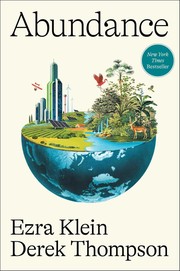
Big ideas
Abundance Review (2026): Ezra Klein and Derek Thompson’s Build-More Manifesto Is Timely—and Imperfect
Big-idea nonfiction on housing, energy, infrastructure, and why wealthy societies struggle to build what they need.
Must Grab That reviews the books filling group chats, bedside tables, airport shelves, and book-club calendars. Some deserve the noise. Some absolutely do not.
Expect plain opinions, useful context, and the occasional warning before you lose three evenings to a book that only sounded good in the blurb.
Big-idea nonfiction on housing, energy, infrastructure, and why wealthy societies struggle to build what they need.
Different nights call for different books.
Recent reads, current obsessions, and a few books that keep refusing to leave the conversation.
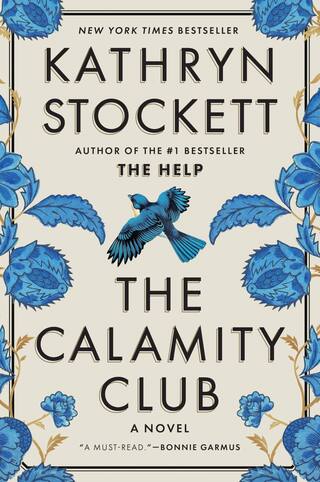
A messy, warm book-club novel with family tension, summer-read pacing, and plenty to argue about after the final page.
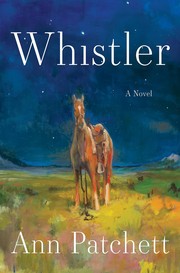
Ann Patchett in a quieter register: family, memory, old tensions, and the little shifts that make a life feel lived-in.
Dale Carnegie’s classic social playbook, reviewed for modern readers who want practical people skills without the cultish aura.
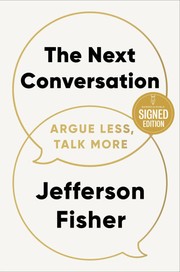
A practical guide to hard conversations, useful for readers who want better scripts for tense everyday moments.

Taylor Jenkins Reid’s space-age love story: emotional, accessible, and built for readers who like ambitious mainstream fiction.
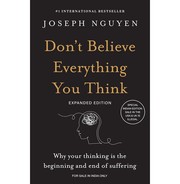
Disclosure: As an Amazon Associate, MustGrabThat may earn from qualifying purchases. If you buy through links in this review, we may receive a small…
Reviews for readers trying to think more clearly about wealth, work, and risk.
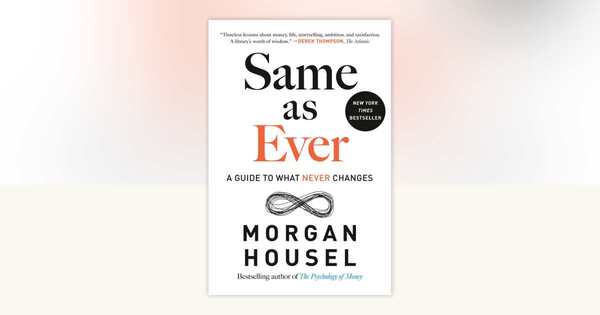
A compact Morgan Housel read about timeless patterns, incentives, risk, expectations, and what rarely changes.
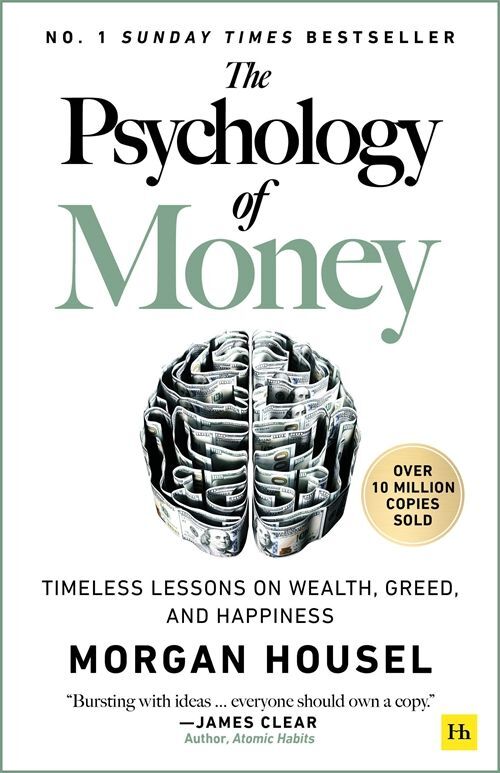
Morgan Housel’s money classic reviewed through behavior, patience, risk, and why most investing mistakes are human mistakes.
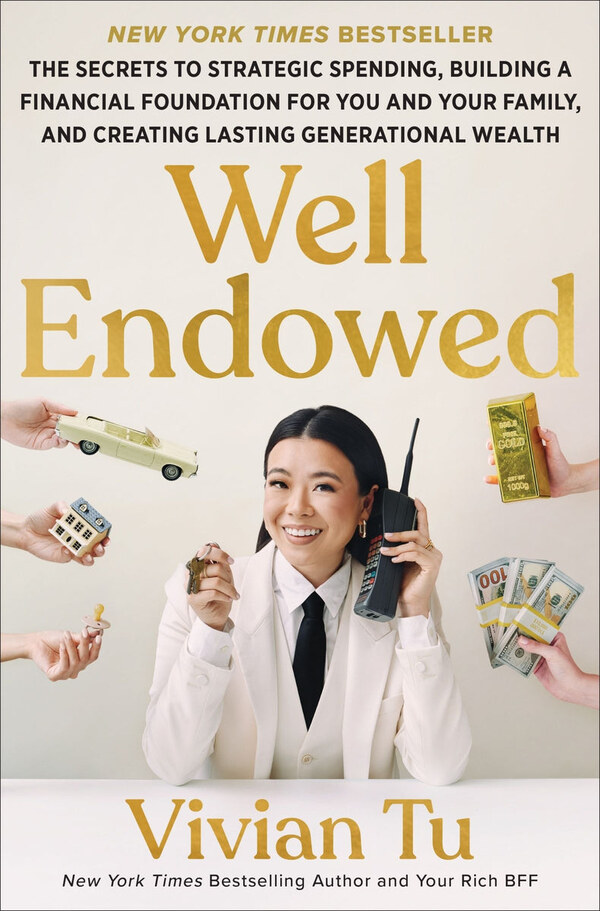
A practical review of Vivian Tu’s Well Endowed (2026): a strategic-spending playbook for big money decisions like homes, cars, insurance, and building generational wealth.
A plot recap is easy to find. A useful review tells you whether the book has a pulse, whether the argument holds up, and whether the last hundred pages earn their keep.