Lodge 10.25 Inch Cast Iron Skillet Review (2026): The Durable Pan That Still Earns Its Space
Quick take: the Lodge 10.25 Inch Cast Iron Skillet is the opposite of a fragile kitchen gadget: it is heavy, simple, inexpensive compared with many premium pans, and useful for searing, baking, crisping, reheating, and weeknight one-pan meals. If you want one pan that can move from stovetop to oven and get better with use, check current Amazon options for the Lodge 10.25 inch cast iron skillet.
Lodge 10.25 Inch Cast Iron Skillet Review: The Old-School Pan That Still Earns Its Space
Cast iron is easy to romanticize and easy to overcomplicate. Some people talk about it like a family heirloom. Others avoid it because they have heard it is fussy, heavy, or impossible to clean. The practical truth sits in the middle: a basic cast iron skillet is not the right pan for every meal, but it can become one of the most useful Amazon kitchen essentials if your cooking style matches its strengths.
The Lodge 10.25 Inch Cast Iron Skillet is a classic version of that idea. It is not a high-tech nonstick pan, and it does not promise push-button convenience. It is a thick, heat-holding skillet that works on most cooktops and in the oven, develops a better cooking surface with repeated use, and handles jobs that can be rough on lighter pans. Think crispy potatoes, burgers, cornbread, roasted vegetables, quesadillas, chicken thighs, skillet cookies, and reheated pizza.
This review is for shoppers who want a realistic answer: is a cast iron skillet actually worth buying for a normal kitchen in 2026, or is it just another internet cooking recommendation that sounds better than it lives? Here is where the Lodge pan makes sense, where it does not, and what to compare before you add one to your cart.
What It Is
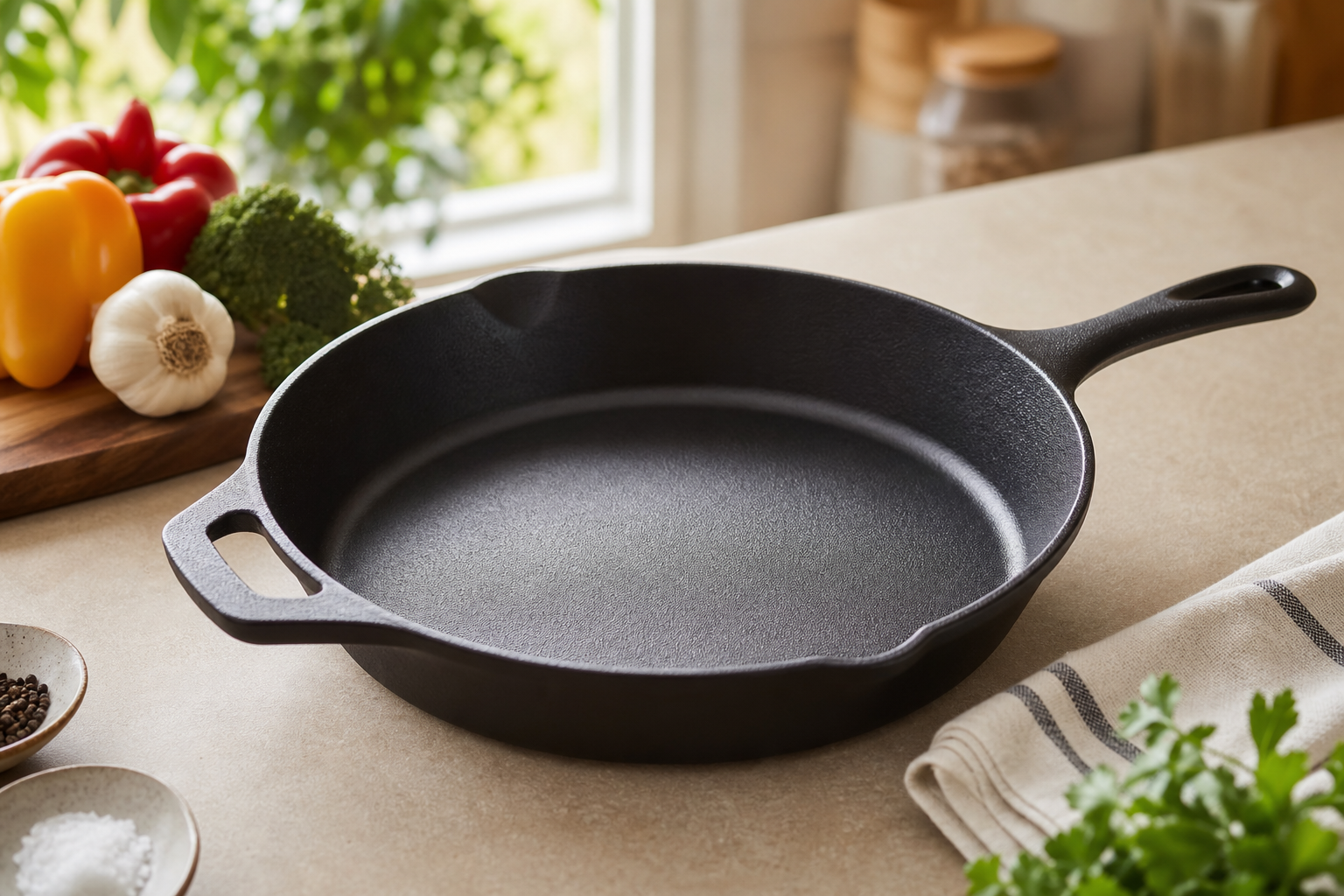
The Lodge 10.25 Inch Cast Iron Skillet is a pre-seasoned cast iron pan sized for everyday cooking. The 10.25-inch format is big enough for two burgers, a few chicken thighs, a compact batch of vegetables, or a small cornbread, while still being easier to store and lift than a 12-inch or oversized skillet.
Cast iron is valued because it holds heat well. Once the pan is properly preheated, it can create strong browning and maintain temperature when food hits the surface. That matters for searing meat, crisping edges, and oven finishing. It also means the pan is slower to respond than thin stainless steel or aluminum cookware. If you turn the burner down, cast iron takes a little time to cool. That is a feature for some foods and a hassle for others.
The pan arrives pre-seasoned, but pre-seasoned does not mean maintenance-free. It means the skillet has a starter layer of seasoning, so you can begin cooking sooner. The surface usually improves as you cook with oil, clean it properly, dry it fully, and avoid leaving it wet in the sink.
Who It Is For
This skillet is a strong fit for people who want a durable kitchen tool rather than a disposable-feeling pan. If you cook at home several times a week and want better browning, a cast iron skillet can feel like a meaningful upgrade. It is especially useful if your recipes often move from stovetop to oven, because the same pan can start a sear and finish a roast, frittata, Dutch baby, or baked pasta topping.
It also makes sense for shoppers trying to build a low-clutter kitchen. A single cast iron skillet can cover jobs that might otherwise require a fry pan, a small roasting pan, and a baking dish. If you are setting up a first apartment, improving a rental kitchen, or replacing a scratched nonstick pan, it deserves a spot on the shortlist.
Anyone who already liked our practical kitchen reviews, such as the Instant Pot Duo review or the Escali Primo Digital Kitchen Scale review, will recognize the same appeal here: not flashy, but genuinely useful when it fits the routine.
Who Should Skip It
Skip this skillet if you need a lightweight pan you can toss around one-handed. Cast iron is heavy, and the weight is part of the point. It is stable and heat-retentive, but it is not effortless to lift when full. If you have wrist, hand, or shoulder issues, a lighter stainless steel or hard-anodized pan may be more comfortable.
It is also not the best choice if you want the easiest possible egg pan. A well-seasoned cast iron skillet can cook eggs, but it takes heat control, enough fat, and some patience. A dedicated nonstick pan is still simpler for delicate omelets, crepes, or low-oil cooking. Cast iron rewards use and care; it is not ideal for someone who wants to soak every pan overnight or run everything through the dishwasher.
Real-World Use Cases
Weeknight searing
The pan’s biggest everyday strength is browning. Preheat it, add oil, and it can put a better crust on burgers, pork chops, chicken thighs, mushrooms, tofu, and vegetables than many thin pans. It does not make you a better cook automatically, but it gives you the heat foundation that browning requires.
Stovetop-to-oven meals
A cast iron skillet is useful when you want to sear first and finish in the oven. That includes chicken, steak, pork tenderloin slices, skillet nachos, cornbread, baked eggs, and small casseroles. Fewer pans means less cleanup, and the skillet looks normal enough to bring to the table if you are serving casually.
Crispy leftovers
One underrated use is reheating. Pizza, roasted potatoes, quesadillas, and rice bowls often come back better in cast iron than in a microwave because the pan restores crisp edges instead of steaming everything soft.
Strengths
Durability is the headline. There is no coating to baby in the same way you would protect a nonstick surface. With reasonable care, a cast iron skillet can last for years and often improves as its seasoning builds.
Heat retention is excellent. That makes it good for foods that need consistent surface heat. Once the skillet is hot, it can stay hot enough to brown instead of dropping temperature immediately when cold food is added.
The size is practical. The 10.25-inch pan is not the biggest option, but that is part of its charm. It is less awkward than larger cast iron and better suited to daily use for one to three people. If you regularly cook family-size batches, compare it with a 12-inch skillet before deciding.
Caveats
It needs routine care. The basics are simple: clean it after cooking, dry it thoroughly, and apply a very light film of oil if the surface looks dry. The exact method can vary, but the non-negotiable rule is avoiding long wet storage because iron can rust.
Heat control matters. Cast iron can get extremely hot and stay hot. Start lower than you think, preheat gradually, and use an oven mitt on the handle. Food sticking is often a sign of too little preheat, too little fat, or trying to move food before it releases.
Acidic sauces are not its favorite job. Quick tomato contact is usually fine for many cooks, but long simmering acidic sauces in cast iron can be rough on seasoning and may affect flavor. Use stainless steel, enameled cast iron, or a saucepan for long tomato braises.
Alternatives and What to Compare
Before buying, decide what problem you are actually solving. If you want the easiest eggs and fish, compare a dedicated nonstick pan. If you want a lower-maintenance all-purpose pan, compare stainless steel. If you want cast iron performance without exposed iron maintenance, compare enameled cast iron, though it usually costs more and has its own care limits.
Within cast iron, compare size. The 10.25-inch skillet is excellent for everyday use, but a 12-inch pan gives more room for family cooking and better spacing when browning several pieces of food. More room helps avoid steaming. The tradeoff is weight and storage space. You can browse broader options here: shop cast iron skillets on Amazon.
Buying Advice
Buy the Lodge 10.25 Inch Cast Iron Skillet if you want a proven, budget-friendly, no-nonsense pan for browning, baking, crisping, and oven-friendly cooking. It is a particularly good pick if you have been disappointed by scratched nonstick pans or lightweight pans that lose heat too quickly.
Do not buy it because you think it will replace every pan. It will not. The best setup for many kitchens is a cast iron skillet for searing and high-heat jobs, plus a lighter pan for delicate tasks and a saucepan for liquids. If that sounds reasonable, this is a strong Amazon essential. If that sounds like too much maintenance, skip it without guilt.
Final Verdict
The Lodge 10.25 Inch Cast Iron Skillet earns its reputation because it solves real cooking problems without complicated features. It is durable, versatile, and especially good at browning and oven finishing. The caveats are real: it is heavy, it needs basic care, and it is not as forgiving as nonstick for delicate foods.
For the right kitchen, though, that tradeoff is worth it. If you want a pan that can handle rougher everyday cooking and feel more useful the longer you own it, this is an easy product to recommend. Check current Amazon options for the Lodge 10.25 Inch Cast Iron Skillet.
Disclosure: Must Grab That may earn a commission when you buy through Amazon links on this page. We only recommend products and categories that make practical sense for real homes, and we avoid using Amazon listing images as editorial images.