Kuhn Rikon Auto Safety LidLifter Review (2026): The Manual Can Opener Upgrade That Makes Pantry Cooking Less Annoying
FTC disclosure: Must Grab That may earn a commission when you buy through Amazon links on this page. We only recommend products that make practical sense for the use case, and prices/availability can change at any time.
A manual can opener is not exciting until the cheap one in the drawer starts chewing up lids, slipping off cans, or leaving sharp edges right when dinner is already moving. That is why the Kuhn Rikon Auto Safety LidLifter fits the Must Grab That “quietly useful Amazon essential” lane: it is a small kitchen tool designed to make a repeat chore less annoying, especially for people who open beans, tomatoes, tuna, soups, pet food, or pantry staples several times a week.
Quick CTA: Check the Kuhn Rikon Auto Safety LidLifter on Amazon, or compare it with other safety can openers if you want a different handle shape, color, or cleaning setup.
What the Kuhn Rikon Auto Safety LidLifter Is
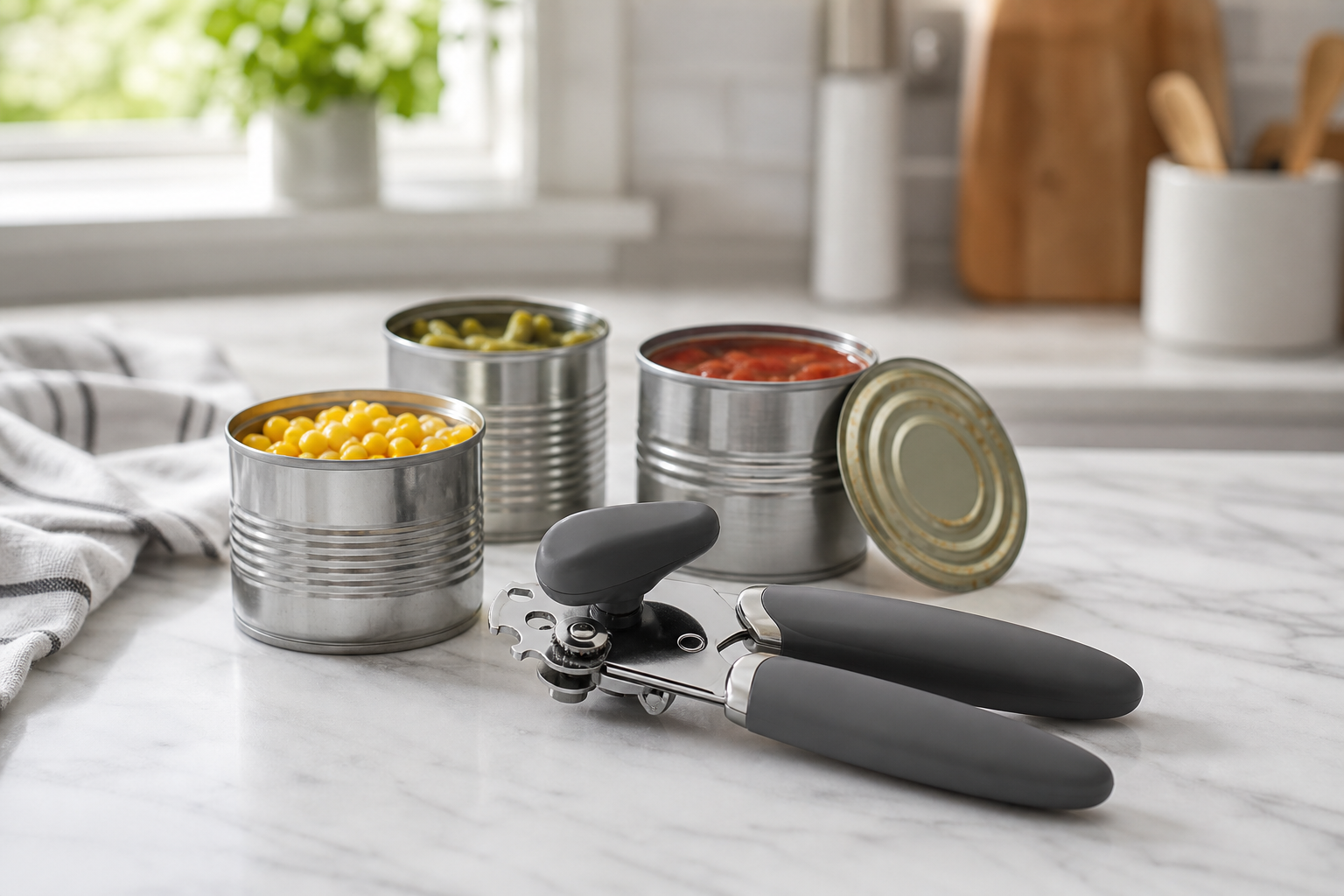
The Kuhn Rikon Auto Safety LidLifter is a manual safety-style can opener. Instead of working like a traditional opener that pierces down through the top of the lid, this style is designed to grip around the can rim and separate the lid at the seam. The practical goal is simple: open common household cans with less jagged metal and less direct blade contact with food.
That matters more than it sounds. A bad can opener can turn one of the easiest pantry tasks into a frustrating little fight. It can skip, crunch, dig, or require awkward hand strength. A safety can opener is not magic, and the exact feel will depend on your grip and the can shape, but the category exists for a reason: smoother edges, cleaner lifting, and less “why is this still attached?” energy.
Like the KitchenAid all-purpose kitchen shears or the OXO swivel peeler, this is not a showpiece gadget. It is a drawer tool that earns its keep only if it removes friction from normal cooking.
Why a Safety Can Opener Can Be Worth It
The biggest argument for this kind of opener is the edge. Traditional openers cut through the lid and can leave sharp metal around the top. Safety openers are meant to separate the lid from the side seam, which can make the lid easier to lift away without the same jagged top edge. For households with kids helping in the kitchen, anyone who meal preps quickly, or people who open pet-food cans daily, that difference can be meaningful.
The second argument is cleanliness. Because the cutting mechanism is not meant to plunge into the food from above in the same way, there is usually less contact between the opener and whatever is inside the can. You should still keep the tool clean and follow the manufacturer’s care instructions, but it can feel less grimy than old-school openers that drag a wheel through lid residue.
The third argument is control. Safety openers often include a small grabbing or lifting mechanism so you can remove the separated lid without prying at it with your fingernails. That is exactly the kind of small usability detail that makes a boring product more satisfying over time.
Real-World Use Cases
Weeknight pantry cooking
If your meals regularly start with canned tomatoes, beans, chickpeas, coconut milk, broth, tuna, corn, or olives, a better can opener gets used constantly. It is one of those upgrades you notice most when you stop dreading the tool.
Pet-food routines
Anyone opening wet cat or dog food daily knows how quickly a bad opener becomes irritating. A safety-style opener can be a nicer fit for repetitive use, especially when you want cleaner lid removal and fewer sharp edges around the trash.
First-apartment and practical gift kits
A can opener is easy to forget until someone moves into a new place and realizes they do not have one. This is a practical add-on for a starter kitchen bundle alongside measuring tools, kitchen shears, a peeler, and food-storage containers.
Reduced-friction cooking for small kitchens
Small kitchens benefit from tools that work quickly and store easily. A manual can opener takes no counter space, needs no charging, and does not require a dedicated appliance footprint.
Who It Is Best For
- People replacing a worn-out opener: If your current opener slips, rusts, or leaves ugly edges, this is a sensible upgrade lane.
- Pantry-heavy cooks: Beans, tomatoes, soups, coconut milk, and canned fish all make a better opener feel worthwhile.
- Households that care about sharp edges: Safety-style lid removal can be more comfortable to handle than rough traditional cuts.
- Gift buyers building a useful kitchen kit: It is unglamorous but genuinely helpful.
- Anyone avoiding extra countertop appliances: Manual tools still win when storage is tight.
Who Should Skip It
Skip this style if you strongly prefer the familiar feel of a traditional top-cut opener and do not mind sharp lid edges. Safety openers can take a few uses to understand because the grip point and lid removal feel different. If you expect it to behave exactly like the opener you grew up with, there may be a short adjustment period.
You may also want to skip it if you need an electric opener because of limited hand strength or mobility. A manual safety opener can be easier for some people than a stubborn old opener, but it still requires hand positioning and turning. In that case, compare electric can openers and read current accessibility-focused reviews before buying.
Finally, if your household opens oversized, unusually shaped, or commercial-style cans, check buyer feedback carefully. Manual openers are usually best for standard grocery cans, and specialty can shapes can be less predictable.
Strengths
- Smoother lid handling: The safety-opener design is meant to reduce jagged top edges.
- Cleaner feel: Less direct contact with food can make the tool feel easier to keep tidy.
- No batteries or charging: It lives in a drawer and works when needed.
- Small but high-use: It is the kind of kitchen tool that can quietly improve dozens of meals.
- Good alternative to bargain openers: If cheap openers keep failing, this category is worth comparing.
Caveats Before You Buy
The main caveat is the learning curve. Safety can openers can feel unintuitive on the first try because you are aligning the opener around the rim rather than stabbing down into the lid. If it seems like nothing is happening, slow down, check the instructions, and make sure the opener is seated correctly on the can seam.
The second caveat is cleaning. Even if the cutting wheel does not drag through food the same way as a traditional opener, the tool still belongs in the kitchen and should be cleaned according to the current product instructions. Do not assume dishwasher safety unless the specific listing and packaging say so.
The third caveat is that “safety” does not mean “zero caution.” Metal lids and can rims can still be unpleasant if handled carelessly. Treat opened cans like opened cans, keep fingers away from edges, and dispose of lids thoughtfully.
Alternatives and What to Compare
Before buying the Kuhn Rikon, compare it with a few adjacent options:
- Traditional manual can openers: Familiar, usually inexpensive, and easy to understand, but they can leave sharper lid edges.
- Electric can openers: Better for some accessibility needs, but they take counter or cabinet space and can be less appealing in tiny kitchens.
- Other side-cut safety openers: Compare handle size, turning comfort, cleaning instructions, and whether there is a built-in lid lifter.
- Heavy-duty restaurant-style openers: Useful for very high-volume can opening, but overkill for most households.
If you are building a broader kitchen basics kit, this pairs naturally with practical low-drama tools like the Escali Primo kitchen scale, the Lodge cast iron skillet, and a dependable pair of kitchen shears.
Buying Advice
Buy it if your current can opener is the kind of tool you complain about every time you use it. That is the strongest signal. You do not need to upgrade a can opener for aesthetics, and you do not need a fancy version if a basic one already works well. But if your opener slips, hurts your hand, creates sharp messes, or looks like it should have been retired years ago, a safety-style replacement is easy to justify.
On Amazon, check the current listing photos, recent reviews, return policy, and care details before ordering. Search results can include similar models and third-party sellers, so confirm the exact product name and seller information before you buy. If you care about color, storage, or dishwasher claims, verify those on the current listing rather than assuming all versions match.
Final Verdict
The Kuhn Rikon Auto Safety LidLifter is a classic boring-but-useful kitchen upgrade. It will not transform your cooking, but it can make a surprisingly common task cleaner, calmer, and less irritating. For pantry cooks, pet owners, first-apartment setups, and anyone tired of jagged lids, it makes sense as a practical Amazon essential.
Bottom line: if your current opener is unreliable, uncomfortable, or sharp-edge prone, compare the Kuhn Rikon Auto Safety LidLifter on Amazon. If you already own a smooth, comfortable opener you like, keep using it until it gives you a reason to replace it.