Escali Primo Digital Kitchen Scale Review (2026): The Small Accuracy Upgrade That Makes Cooking Less Guessy
Quick take: the Escali Primo Digital Kitchen Scale is the kind of small kitchen tool that earns its drawer space because it removes guesswork from baking, meal prep, coffee, and portioning without asking you to learn a new gadget. Check current Amazon options for the Escali Primo Digital Kitchen Scale.
Escali Primo Digital Kitchen Scale Review: The Simple Kitchen Accuracy Upgrade
Some Amazon essentials are exciting because they look futuristic. Others become household staples because they quietly fix a problem you keep running into. A compact digital kitchen scale belongs in the second group. If you bake, cook from online recipes, portion leftovers, weigh coffee beans, or simply want fewer dirty measuring cups, a reliable scale can become one of the most-used tools in the kitchen.
The Escali Primo is one of the best-known examples of that category: a small, straightforward digital kitchen scale built around a simple platform, a clear display, and basic unit switching. This review focuses on the product’s real-world usefulness rather than pretending a kitchen scale is a luxury appliance. The question is not whether it is flashy. The question is whether it makes everyday cooking easier enough to justify a permanent spot in your cabinet.
What It Is
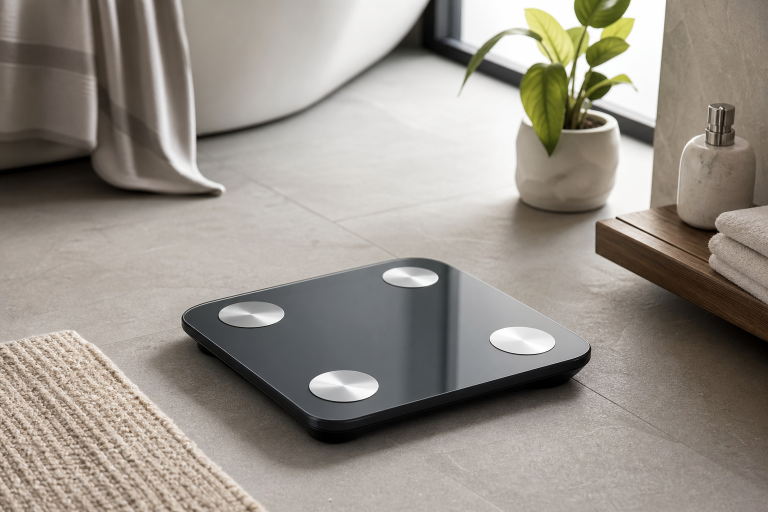
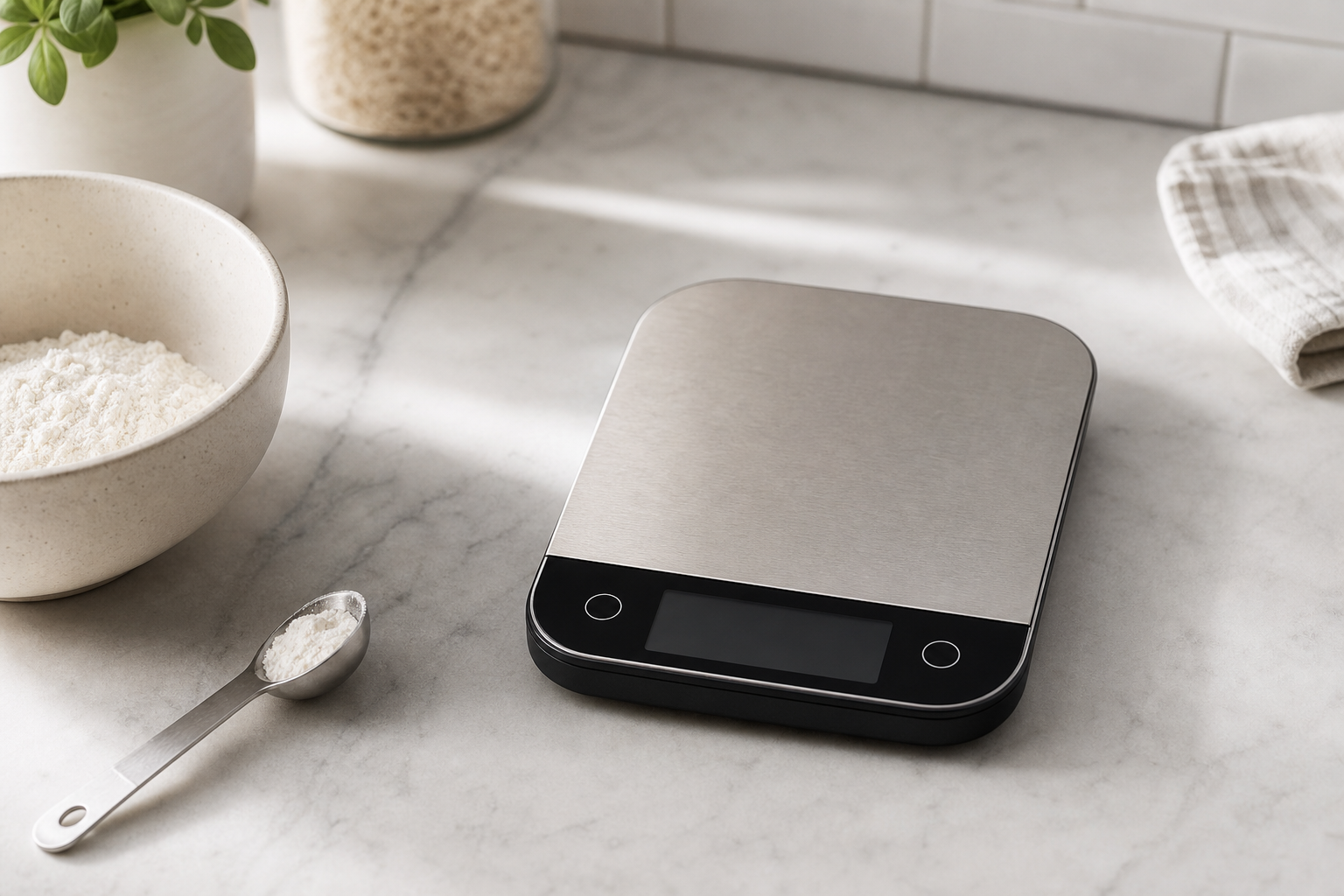
The Escali Primo Digital Kitchen Scale is a compact countertop scale for weighing ingredients and small household items. It is commonly used for flour, sugar, coffee beans, nuts, snacks, meal-prep portions, and recipe conversions. Most shoppers consider this type of scale because measuring by weight is more consistent than scooping by volume, especially for baking and coffee.
The appeal is simplicity. You place a bowl or plate on the platform, use the tare function to reset the weight to zero, then add ingredients until you hit the amount you need. That one workflow can replace a surprising amount of measuring-cup clutter. It also makes recipes from outside the United States easier to follow because many baking and cooking instructions use grams rather than cups.
Who It Is For
Home bakers who want more consistent results
Flour is the classic example. A cup of flour can vary depending on how it is scooped, packed, or leveled. Weighing flour in grams is more repeatable, which helps with cookies, bread, muffins, pancakes, and any recipe where texture matters. If your baking results swing from perfect to dry without an obvious reason, a kitchen scale is one of the first fixes to try.
Coffee drinkers dialing in a routine
If you already liked our coffee gear coverage, including the Bodum Brazil French Press review and COSORI gooseneck kettle review, a kitchen scale is the unglamorous companion piece. Weighing beans and water makes pour-over, French press, AeroPress-style brewing, and moka pot routines easier to repeat.
Meal-prep people who hate vague portions
You do not need to be obsessive about macros to appreciate a scale. It helps divide cooked rice, roasted vegetables, chicken, snacks, and leftovers into roughly even containers. That can make weekday lunches less random and reduce the “one container got everything, one got nothing” problem.
Who Should Skip It
Skip a compact kitchen scale if you rarely cook, never bake, and prefer recipes that are intentionally loose. Also consider a larger-capacity or more specialized scale if you regularly weigh heavy mixing bowls, bulk pantry ingredients, large meal-prep containers, or commercial-sized batches. A small home kitchen scale is best for everyday ingredient work, not for replacing a shipping scale or a professional prep station.
People who want app syncing, nutrition databases, rechargeable batteries, or a premium metal body may also want to compare more feature-heavy models. The Escali Primo’s charm is that it keeps the job basic. If you want a connected gadget, this is probably not the point.
Real-World Use Cases
Less messy baking prep
Put the mixing bowl on the scale, tare it, add flour, tare again, add sugar, tare again, and keep going. You can often avoid several measuring cups and spoons. For recipes that provide metric weights, this is faster and cleaner than converting everything to cups.
Repeatable coffee without overthinking it
Weighing coffee beans is one of the easiest ways to make your morning cup less random. You do not have to become a coffee forum person; you just need a repeatable starting point. If yesterday’s cup was great, the same bean amount gives you a better shot at repeating it.
Fairly split leftovers
A scale makes it easier to divide cooked food into equal-ish portions. It is useful for families, meal preppers, and anyone packing lunches. It is especially handy when you are trying to make four containers from one batch without eyeballing every scoop.
Pantry refills and small household tasks
Beyond recipes, a kitchen scale can help with tea, nuts, pet treats, sourdough starter feeding, spice mixes, and checking small package weights. It is not a replacement for every household scale, but it is more versatile than it looks.
Strengths
- Simple operation: the value is in quick weighing, not a complicated menu system.
- Compact storage: a small flat scale is easy to slide into a drawer or stand on its side in a cabinet.
- Tare function: resetting to zero with a bowl or container is what makes the scale genuinely useful.
- Better recipe consistency: especially for baking, coffee, and portioning.
- Low learning curve: most people can understand the workflow after one use.
Caveats
The main caveat is size. A compact platform can be hidden by oversized bowls, which may make the display harder to see. If you often use very wide mixing bowls, look carefully at platform size and display placement before buying. A pull-out display can be helpful on larger models, though it adds bulk.
Another caveat is that inexpensive kitchen scales are not lab instruments. For normal home cooking, they are usually accurate enough for practical use, but anyone measuring very tiny amounts of yeast, supplements, espresso dose adjustments, or specialty ingredients may want a scale designed for finer precision. For most kitchens, though, the Escali Primo-style scale hits the sweet spot between useful and uncomplicated.
Alternatives and What to Compare
Before buying, compare the Escali Primo against a few common alternatives:
- OXO-style kitchen scales: often appealing if you want a larger platform or pull-out display.
- Rechargeable kitchen scales: useful if you dislike disposable batteries, but check whether the battery is easy to recharge and whether the scale stays responsive.
- Coffee-specific scales: better for espresso and pour-over timing, but usually less necessary for general baking and meal prep.
- Budget generic scales: can work fine, but read recent reviews for display visibility, button feel, and auto-off behavior.
If you are building a practical kitchen setup, this pairs naturally with pantry organization tools like the OXO POP Containers review and broader Must Grab That Reviews.
Amazon Buying Advice
Use Amazon links as a starting point, but compare the exact listing details before you buy. Look for the model name, measurement units, platform size, capacity, battery type, and recent buyer feedback about accuracy and durability. Product listings can change, so do not assume every bundle, color, or seller is identical.
Search Amazon for Escali Primo Digital Kitchen Scale or compare digital kitchen scales with grams and ounces.
Final Verdict
The Escali Primo Digital Kitchen Scale is a strong Amazon-essential-style buy because it solves a common problem without making the kitchen feel more complicated. It is especially useful for bakers, coffee drinkers, meal preppers, and anyone who wants cleaner measuring with fewer cups to wash. It is not the most exciting gadget, and it is not the right choice for every heavy-duty task, but it is exactly the kind of modest tool that can quietly improve a lot of ordinary meals.
Verdict: worth considering if you cook or bake even semi-regularly and want more consistent results from a small, easy-to-store tool.
Disclosure: Must Grab That may earn a commission when you buy through Amazon links on this page. We only recommend products and categories that make practical sense for real homes, and we avoid using Amazon listing images as editorial images.