Bodum Brazil French Press Review (2026): The Cheap Coffee Upgrade That Still Makes Mornings Better
If you want better coffee at home without giving up half the counter to a machine you will need to descale, troubleshoot, and eventually resent, the Bodum Brazil French Press still makes a strong case for itself. It is simple, cheap enough to buy without drama, and good at producing the kind of full-bodied coffee that makes basic drip brewers feel a little thin. In 2026, that combination still plays well on Amazon, especially for buyers who want a kitchen tool instead of a coffee hobby.
Quick buy check: If you want fuller coffee without adding another bulky appliance, start with the 34 oz Bodum Brazil size.
TL;DR
The Bodum Brazil French Press is still one of the easiest ways to get richer coffee at home without spending espresso-machine money. It is inexpensive, straightforward, easy to understand, and genuinely useful for apartments, dorms, offices, and anyone who wants a no-nonsense brewer that does not rely on pods or electricity. The catch is that French press coffee takes a little more cleanup, can get sludgy if your grind is wrong, and rewards buyers who actually care about a decent kettle and decent beans.
Who it’s for
This is for coffee drinkers who want more body and texture than many cheap drip machines deliver, but who do not want to spend serious money on grinders, espresso setups, or smart brewing gadgets. It is especially good for small households, one or two-cup routines, and buyers who want a coffee maker they can understand at a glance. Put grounds in, add hot water, wait, press. That clarity is part of the product’s appeal.
It is also a strong fit for people who like equipment with low friction. The Bodum Brazil does not need filters, does not need pairing, and does not ask you to reorganize your kitchen. If you already have a kettle and a mug, you are basically there. For Amazon shoppers who want a practical kitchen upgrade with a gentle learning curve, that matters more than premium branding language.
Who should skip
Skip it if you want true set-and-forget convenience. A programmable drip machine will be easier if you want coffee waiting for you without thinking. Skip it if you hate sediment in your cup or want super-clean, tea-like coffee. French press brewing naturally keeps more oils and fines in the final cup, and some people love that while others really do not. You should also skip it if you know you are rough on glassware. The carafe is replaceable, but it is still glass.
I would also skip this style if you regularly brew for a bigger household and do not want to repeat the process. A single French press is perfect for modest routines, but it is not the best answer for serving a crowd before everyone gets impatient.
Pros
- Low upfront cost compared with espresso machines, premium drip makers, and many pour-over starter kits.
- Produces fuller-bodied coffee with more oils and texture than paper-filter brewing.
- No paper filters or electronics required, which keeps ownership simple and cheap.
- Compact enough for apartments, office kitchens, and travel setups with a kettle.
- Replacement parts and similar accessories are easy to find on Amazon.
Cons
- Glass carafe is less forgiving than stainless or insulated brewers.
- Cleanup is more annoying than tossing a paper filter in the bin.
- Wrong grind size can create muddy cups and a gritty finish.
- Heat retention is limited, so lingering over the pot is not its strength.
What to look for
If you are buying a French press on Amazon, size matters first. The 34 oz Bodum Brazil is the safe default because it feels useful for one large mug or a couple of smaller servings without becoming awkward to store. After that, pay attention to the frame and plunger assembly. The appeal of this category is simplicity, so cheap presses that feel flimsy in the handle or loose in the filter stack are not actually bargains.
You should also think about the rest of the setup, because the French press itself is only part of the result. Coarse grounds matter. Water temperature matters. A basic burr grinder or a consistent pre-ground coffee choice matters. The brewer is forgiving enough that you do not need to become obsessive, but not so magical that it fixes everything upstream.
What keeps the Bodum Brazil relevant is that it sits in the sweet spot between giftable and genuinely useful. It looks like a real coffee tool, it is easy to explain in a short video, and it solves an everyday need without pretending to be luxury gear. That is the kind of product that keeps earning Amazon clicks long after trendier machines burn out.
- Bodum Brazil French Press 34 oz
- Coarse coffee options for French press
- Replacement carafes and parts
The best argument for the Bodum Brazil is not that it is perfect. It is that it is proportionate. It asks for a small spend, a small amount of attention, and a small amount of storage space, then gives you coffee that feels meaningfully better than what many people get from bargain drip machines. That ratio is excellent.
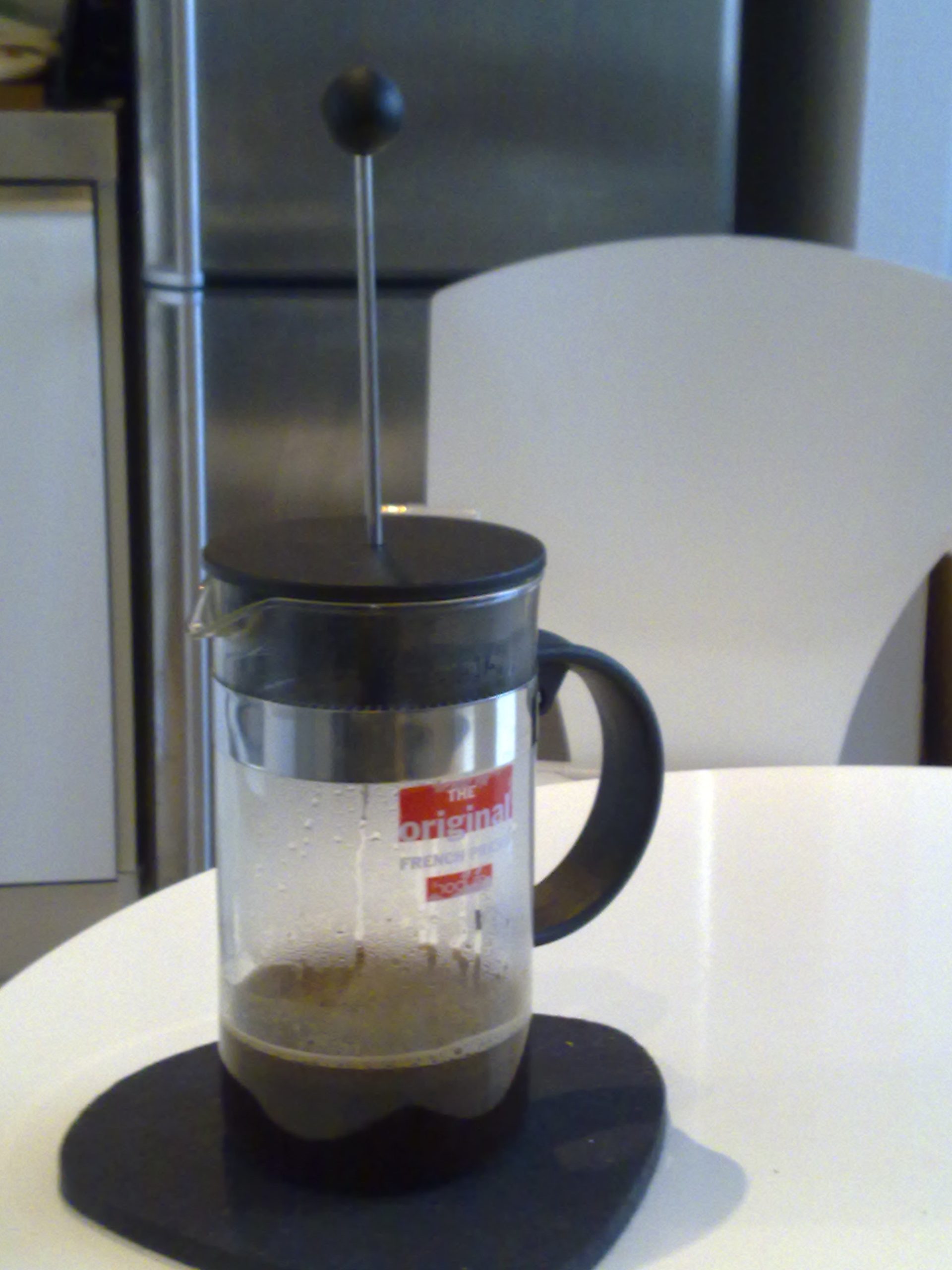
It also benefits from being legible online. You can understand what it does in a single product image. That sounds trivial, but it matters in affiliate content and short-form social traffic. Buyers convert more easily on products that are visually obvious, affordable enough to try, and tied to daily routines that already exist.
If you want the direct brew-method comparison, read AeroPress vs French Press (2026). For related kitchen ideas, start with the Kitchen Finds pillar page. For a wider roundup of practical home upgrades that still feel worth buying, see Best TikTok Home Upgrades (2026). For a closely related brewing pick, read Bialetti Moka Express Review (2026).
Sources
- Bodum official Brazil French Press product page
- Wikipedia background on French press brewing
- Wikimedia Commons image source
Still deciding between brew styles? See whether a fuller French press mug or a stronger stovetop cup fits you better in French Press vs Moka Pot (2026).
FTC disclosure: This post contains Amazon affiliate links. If you buy through these links, mustgrabthat.com may earn a small commission at no extra cost to you.