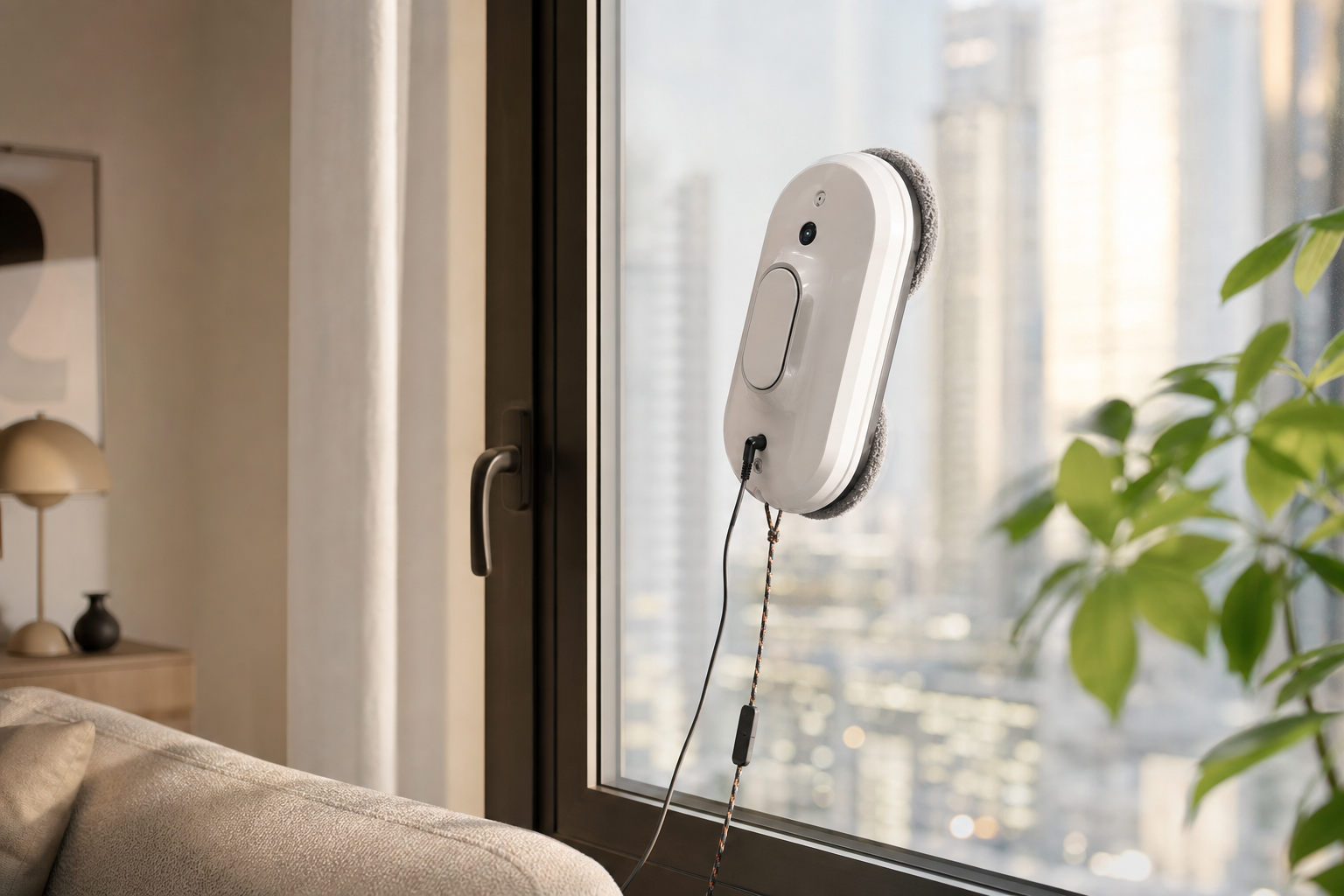
Prediction: Robotic Window Cleaners Could Be the 2026 Glass-Cleaning Gadget Amazon Shoppers Start Testing
Quick take: robotic window cleaners could become one of the next oddly satisfying home-upgrade categories Amazon shoppers and short-form video creators keep testing, especially for apartments, high windows, glass doors, and anyone who hates streaky window chores. They are not magic, and they are not right for every home, but the category has the right mix of visual appeal, pain-point solving, and “wait, that exists?” energy. Browse robotic window cleaner options on Amazon.
Prediction: Robotic Window Cleaners Could Be the 2026 Glass-Cleaning Gadget Amazon Shoppers Start Testing
Every so often, a home gadget category gets attention not because it is glamorous, but because it attacks a chore people already dislike. Window cleaning is a perfect example. It is repetitive, awkward, streak-prone, and sometimes physically uncomfortable. Big windows look great until fingerprints, dust, pet nose marks, pollen, and water spots make the whole room feel less clean.
Robotic window cleaners are not new in the broad sense, but they still feel unfamiliar to many mainstream shoppers. That is exactly why the category has trend potential. A compact device that sticks to glass, moves in a pattern, and wipes the surface is visually interesting on camera. It also answers a practical question viewers instantly understand: could this save me from climbing, stretching, or spending an entire Saturday on windows?
This is a prediction, not a claim that one specific product is already a verified viral winner. The category has enough friction and caveats that shoppers should be careful. But if one home-cleaning gadget is going to get the “I did not know I needed this” treatment in 2026, robotic window cleaners have a believable path.
Why This Category Could Trend
The strongest trend signal is simple: the product is visually self-explanatory. A robotic window cleaner attached to a pane of glass looks surprising even before the video explains anything. That matters for TikTok, Instagram Reels, YouTube Shorts, and Amazon product videos because viewers do not need a long setup. They can understand the promise in two seconds.
The second reason is that the chore is universal enough to be relatable but annoying enough to create buying curiosity. Plenty of people can tolerate vacuuming or wiping counters. Windows are different. They expose streaks, require awkward angles, and often get postponed until the grime is obvious. A gadget that appears to automate part of that pain point is naturally shareable.
The third reason is apartment living. More shoppers are trying to make small spaces feel cleaner and brighter, and large windows are a huge part of that. A robot that helps maintain interior glass, sliding doors, sunroom panes, mirrors, and reachable window surfaces fits the same practical-home-upgrade lane as other Must Grab That predictions, from mattress vacuum cleaners to countertop appliance sliders.
Who Will Buy It First
The earliest mainstream buyers will probably be people with visible glass problems: apartments with big windows, homes with sliding glass doors, pet owners with nose prints at dog height, parents with fingerprints on patio doors, and anyone with mirrors or glass partitions that constantly look smudged.
It may also appeal to shoppers who like cleaning gadgets but have already bought the obvious ones: cordless vacuums, electric spin scrubbers, mattress vacuums, and microfiber mop systems. Once a household has solved floors and counters, glass becomes the next “why is this still annoying?” surface.
Another likely buyer group is people who cannot or should not climb. That does not mean a robot makes risky windows safe; buyers still need to follow manufacturer instructions and avoid dangerous setups. But a device that reduces reaching on interior glass can be appealing for people who want less ladder work and less shoulder strain.
The TikTok and Social Triggers
It has a satisfying before-and-after
Cleaning content works when the improvement is visible. A dusty or fingerprinted window turning clearer on camera is an easy before-and-after. The device moving across glass adds motion, which makes the clip more watchable than a static product demo.
It creates instant skepticism
Viewers are likely to ask: does it fall? Does it streak? Does it clean corners? Does it work on shower glass? That skepticism is not bad for a trend. It drives comments, follow-up tests, comparison videos, and “things I wish I knew before buying” content.
It fits the smart-home-but-practical lane
Shoppers are tired of gadgets that only add another app. A robotic window cleaner is easier to explain: it tries to clean glass so you do less wiping. That concrete promise helps it stand out from vague smart-home accessories.
What to Look For Before Buying
Safety system: Look for clear information about suction, backup power, safety cords, and recommended use. Window robots are attached to a vertical surface, so safety details matter more than they do with many countertop gadgets.
Window compatibility: Check whether the model is designed for framed or frameless glass, interior or exterior use, mirrors, shower doors, or only certain surfaces. Do not assume every cleaner works on every window type.
Cleaning pattern: Some shoppers will care about whether the robot uses a systematic path or a more basic pattern. A predictable route can make the device feel less random and easier to supervise.
Pads and solution: Replacement microfiber pads, washable pads, and approved cleaning liquids can affect long-term cost and convenience. If refills are hard to find, the gadget may stop being useful after the novelty fades.
Cord length and power setup: Many window-cleaning robots are not fully cordless in the way shoppers might imagine. Look carefully at power requirements, backup battery language, and where the nearest outlet would be during real use.
What to Avoid
Avoid listings that make the product sound completely hands-off. These devices still require setup, pads, solution, supervision, and cleanup. If a product page implies it will replace all manual window cleaning with no streaks and no effort, be skeptical.
Also avoid buying solely because a video looks impressive. A robot wiping a clean demo window in a short clip is different from cleaning real glass with dried spots, outdoor grime, corners, frames, screens, and uneven surfaces. Look for practical reviews that show the boring parts: attaching the cord, spraying solution, changing pads, finishing edges, and removing streaks.
Finally, avoid using any window robot outside its instructions. This is not the category for improvising. Glass height, surface condition, suction, cords, and weather can change the risk profile quickly.
Amazon Buying Checklist
- Does the listing clearly explain compatible glass types and minimum window size?
- Is there a safety cord or backup system described?
- Are replacement pads available and reasonably easy to find?
- Do reviews mention streaking, corner cleaning, noise, falling, or setup frustration?
- Is the power cord long enough for your actual windows?
- Does the return policy make sense for a higher-risk gadget category?
- Are product photos generic demos, or do reviews show real home windows?
You can start broadly with robotic window cleaner search results on Amazon, then compare with narrower searches like window cleaning robot with safety cord or robot glass cleaner.
Caveats: Why This Might Not Become Mainstream
The biggest obstacle is trust. A robot vacuum moves on the floor. A window robot sticks to glass. That alone makes some shoppers nervous, and reasonable buyers will want proof that the device is safe enough for their setup. If the category gets flooded with low-quality products or overhyped videos, trust could become the limiting factor.
The second obstacle is results. Windows are unforgiving because streaks show immediately in sunlight. If shoppers expect perfect glass with zero manual finishing, they may be disappointed. The best-case use may be maintenance cleaning and reducing effort, not replacing every squeegee, cloth, and human judgment.
The third obstacle is price sensitivity. Some people will pay for a gadget that solves a hated chore; others will decide a microfiber cloth and spray bottle are good enough. That is why this category is more likely to trend among glass-heavy households first rather than become a universal essential overnight.
Final Verdict
Robotic window cleaners have the ingredients of a 2026 Amazon/TikTok trend: a visual demo, a disliked chore, a clear promise, and enough novelty to make shoppers stop scrolling. The category is especially interesting for apartments, sliding doors, mirrors, and homes where glass maintenance is a recurring annoyance.
The smart approach is cautious curiosity. Do not buy the first dramatic video you see, and do not expect a miracle. Compare safety features, compatibility, pad availability, and real user feedback. If the category matures and the better models prove reliable, robotic window cleaners could become the next cleaning gadget Amazon shoppers quietly start testing after they have already upgraded floors, counters, and mattresses. Browse current robotic window cleaner options on Amazon.
Disclosure: Must Grab That may earn a commission when you buy through Amazon links on this page. We only recommend products and categories that make practical sense for real homes, and we avoid using Amazon listing images as editorial images.