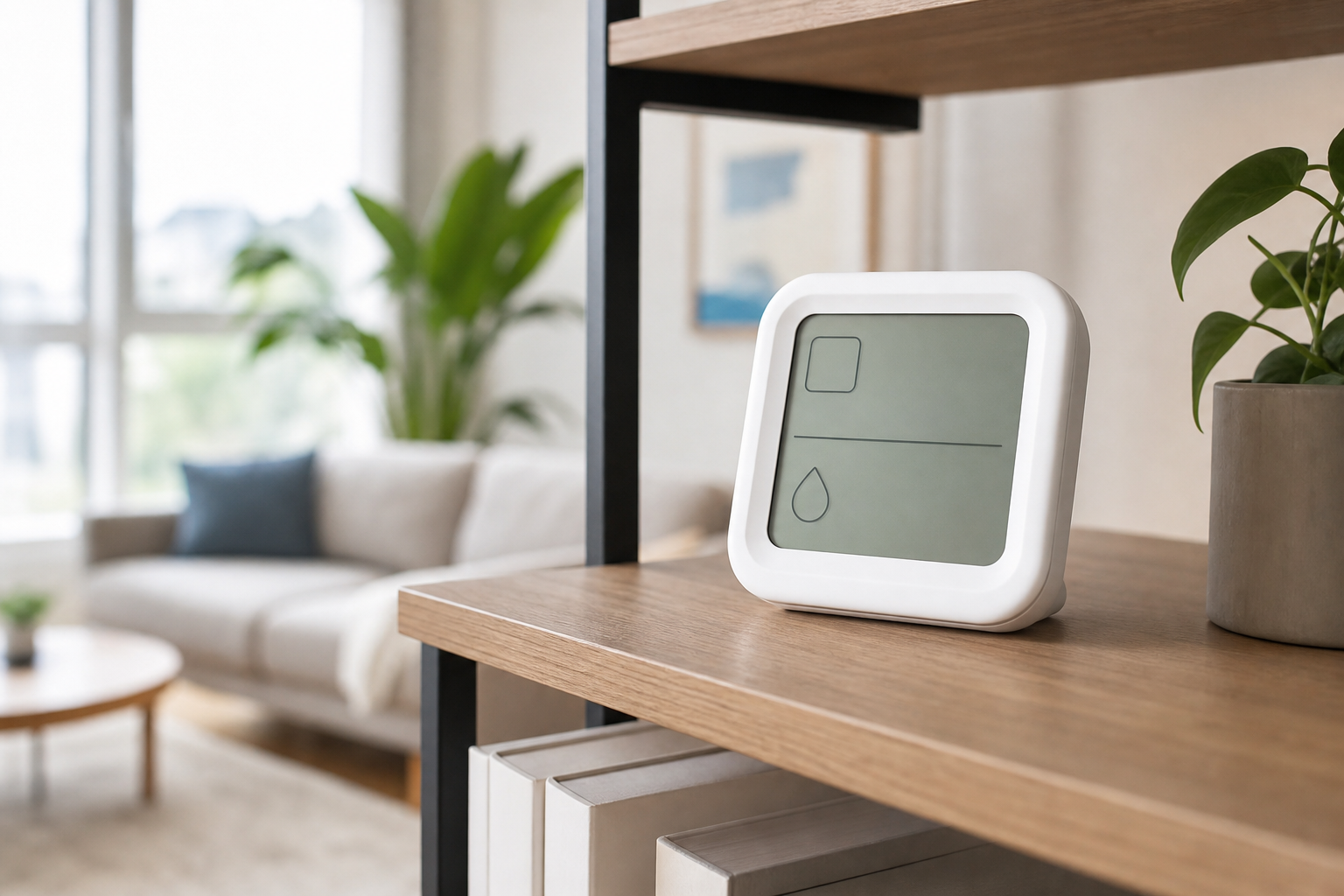
ThermoPro TP50 Review (2026): The Tiny Humidity Monitor That Makes Home Comfort Less Guessy
Disclosure: As an Amazon Associate, Must Grab That may earn from qualifying purchases. This article uses affiliate links, which means we may receive a commission if you buy through our links at no extra cost to you.
A tiny humidity monitor is not the flashiest Amazon essential, but it is one of those low-effort home upgrades that can quietly solve a lot of nagging problems: dry bedrooms, damp closets, musty basements, fussy houseplants, stuffy nurseries, and rooms that never seem to feel comfortable even when the thermostat says they should.
Quick grab: Check the ThermoPro TP50 digital hygrometer on Amazon, or compare it with other indoor thermometer and humidity monitors before you buy.
ThermoPro TP50 Review: The Small Home Comfort Checker That Actually Gets Used
The ThermoPro TP50 is a compact indoor thermometer and hygrometer: it shows room temperature and relative humidity in a small, glanceable display. That sounds basic because it is basic. The value is that it gives you a simple answer to a question most homes guess at: is this room too dry, too humid, or just uncomfortable for another reason?
For a site that often covers practical Amazon upgrades — from cleaning tools that make resets easier to dehumidifier-style home comfort upgrades — this is the kind of inexpensive diagnostic gadget that belongs in the conversation. It does not clean, heat, cool, or humidify anything on its own. It tells you whether those other purchases are actually needed.
What It Is
The TP50 is a small battery-powered room monitor designed to sit on a shelf, dresser, desk, nursery table, plant stand, bathroom counter, basement ledge, or any other indoor spot where humidity and temperature matter. Typical versions are simple: a screen, a stand or mounting option, and readings for temperature and relative humidity. Some versions also include basic comfort indicators that help you interpret the number at a glance.
That simplicity is the point. You do not need an app, subscription, cloud account, hub, smart-home bridge, or dashboard. If you want a quick room reading without turning your home into another notification system, this category makes sense.
Who It Is For
People trying to fix dry air
If you wake up with a dry throat, cracked lips, static shocks, or a bedroom that feels harsh in winter, a humidity monitor helps you confirm whether the room is actually dry before buying a humidifier. It can also help you avoid over-humidifying a room once you do add moisture.
People dealing with damp rooms
Basements, laundry rooms, bathrooms, poorly ventilated bedrooms, closets, and older homes can all feel slightly damp. A monitor gives you a reality check. If the number is consistently high, you can decide whether to improve airflow, use a dehumidifier, move stored items, or investigate a bigger moisture issue.
Parents, plant owners, renters, and home-office workers
Nurseries, houseplant corners, guitar rooms, 3D printer spaces, and home offices can benefit from a quick temperature and humidity glance. Renters especially may like that this is a no-install tool: place it where you need it, move it later, and keep the data simple.
Who Should Skip It
Skip the TP50 if you want a whole-home smart sensor network with history, phone alerts, automations, or remote access. This is also not the right tool if you need lab-grade calibration or professional building diagnostics. It is an everyday household guide, not a certified measuring instrument.
You may also want to skip a single monitor if the problem is spread across several rooms. In that case, compare multi-pack hygrometers or smart sensors so you can track rooms separately.
Real-World Use Cases
Bedroom comfort
Place it on a nightstand for a week and watch how the room changes between bedtime and morning. If humidity dips low overnight, that supports the case for a humidifier. If it spikes high with the door closed, airflow may be the issue.
Basement and storage checks
Before storing books, photos, clothing, tools, or seasonal decorations, put a monitor near the storage area. If the room reads consistently damp, you can act before musty smells and moisture damage become the first warning sign.
Bathroom and laundry room sanity checks
After showers or laundry cycles, a humidity monitor can show whether the room returns to normal quickly. If it stays elevated, that points toward ventilation habits, exhaust fan timing, or door/window airflow.
Plant shelves
Plant owners often guess at humidity based on vibes. A small monitor makes the environment easier to understand, especially if you group tropical plants, use a grow light, or run a humidifier nearby.
Strengths
- Simple enough to keep using: no app friction, no account, no setup rabbit hole.
- Small footprint: it can live on shelves, desks, nightstands, or plant stands without becoming visual clutter.
- Good diagnostic value: it helps you decide whether you need a humidifier, dehumidifier, better ventilation, or no extra appliance at all.
- Moveable: one unit can be rotated through different rooms for a few days at a time.
- Easy gift or add-on item: useful for renters, new homeowners, parents, plant people, and anyone optimizing a workspace.
Caveats to Know Before Buying
The main caveat is expectations. A compact consumer monitor can guide everyday decisions, but it is not a medical device or professional moisture survey tool. If you suspect mold, water intrusion, HVAC trouble, or unsafe humidity levels, use this as a clue — not the final answer.
Second, placement matters. Do not judge an entire room from a spot next to a window, vent, radiator, humidifier mist stream, shower door, or sunny sill. Give the unit time to settle, and compare readings in a few locations if the room is inconsistent.
Third, one device can create a false sense of precision. If you are making an expensive decision, compare readings with another monitor or look at longer-term patterns rather than one moment.
What to Compare Instead
- Basic multi-pack hygrometers: better if you want several rooms covered at once.
- Smart temperature/humidity sensors: better if you want history, alerts, automations, or remote monitoring.
- Weather station displays: better if you want outdoor readings, forecasts, and a bigger display.
- Dehumidifiers or humidifiers with built-in sensors: better if you already know you need active moisture control.
For most people, the basic monitor is the smartest first step because it keeps you from buying the wrong appliance for the wrong room.
Amazon Buying Advice
When comparing listings, look for a clear screen, a stand or mounting option that matches your room, simple battery access, and enough reviews to spot recurring complaints about accuracy drift, weak magnets, dead-on-arrival units, or hard-to-read displays. If you are buying for several rooms, compare the single unit price with multi-packs of similar indoor monitors.
Use these searches as starting points:
Final Verdict
The ThermoPro TP50 is not exciting, but it is useful in exactly the way a good Amazon essential should be. It turns vague comfort complaints into information you can act on. If your home has dry winter bedrooms, damp storage corners, plant shelves, nursery concerns, or rooms that never feel quite right, a small humidity monitor is a smart first buy before spending more on bigger gadgets.
Verdict: worth considering for practical home troubleshooting, especially if you want a low-maintenance, no-app way to understand indoor comfort.