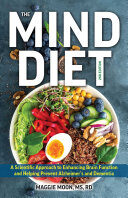

If you want a diet that’s about better focus, steadier energy, and healthy aging (not just smaller jeans), The MIND Diet (2nd Edition) by registered dietitian Maggie Moon is worth a serious look.
What book are we talking about?
Title: The MIND Diet: 2nd Edition
Author: Maggie Moon, MS, RD
Publication date: 3 December 2024 (2nd edition)
Big idea: Combine the most practical parts of the Mediterranean and DASH approaches into a simple eating pattern that supports long-term brain health—then make it livable with meal planning, recipes, swaps, and routines.
Why the MIND Diet keeps trending (even when the internet moves on)
Most diet books win attention by being extreme: cut a whole macronutrient, count everything, or drink something that tastes like punishment. The MIND Diet stands out because it’s behaviorally realistic. It doesn’t require perfection; it rewards consistency.
In plain English, the MIND approach is about stacking meals toward foods that are linked with better cognitive outcomes—things like leafy greens, berries, beans, whole grains, fish, and olive oil—while dialing down the usual culprits (ultra-processed snacks, fried foods, and the “butter + sweets” combo that sneaks into everyday life).
Moon’s 2nd edition leans into the part most people actually need: how to do it on a Tuesday. Meal prep guides, shopping lists, and “if you can’t do X, do Y” swaps are the difference between inspiration and results.
Who this book is for (and who should skip it)
- Great fit if: you want a sustainable nutrition plan that supports focus, mood, and healthy aging; you like having a framework (not a rigid rulebook); you’d benefit from recipes and planning tools.
- Maybe not for you if: you want a pure weight-loss book with aggressive targets; you prefer strict macros; or you’re looking for a “one weird trick” instead of a lifestyle pattern.
Notable takeaways (paraphrased and made practical)
1) “Brain food” is mostly ordinary food—eaten on purpose
The most helpful mindset shift is that brain-supportive eating isn’t exotic. It’s repeating a short list of staples often enough that they become your defaults:
- Leafy greens most days (salads, sautéed greens, or blended into soups)
- Berries regularly (fresh, frozen, or stirred into yogurt/oats)
- Beans and lentils as a cheap, high-fiber anchor
- Olive oil as your primary “easy upgrade” fat
If you do nothing else, make those four things automatic.
2) The real enemy is the “daily drizzle” of ultra-processed calories
Most people don’t wreck their health with a single big decision. It’s the small stuff: the mid-afternoon sugar hit, the “just a handful” snack that’s engineered to be unending, the takeaway meal that becomes the default.
The MIND Diet approach is to reduce frequency, not chase impossible purity. You can still have treats; you just stop building them into your routine.
3) Meal prep isn’t about being a chef—it’s about reducing decisions
Moon’s planning emphasis matches what actually works: your willpower is not a renewable resource. A better system is:
- Pick 2–3 “repeatable” breakfasts you genuinely like
- Cook one big protein or legume base (lentils, chickpeas, fish, chicken) that turns into 2–3 meals
- Pre-wash/prep vegetables so they’re easier than packaged snacks
That’s not culinary ambition—it’s friction removal.
4) Lifestyle still matters: sleep, movement, and stress shape food choices
A sneaky benefit of brain-health framing is that it nudges you toward the supporting habits. If you’re sleeping 5 hours, you’re going to crave fast dopamine food. If you move a bit every day, your appetite regulation improves. And if you manage stress, you’re less likely to eat “emotion first, logic later.”
A simple 7-day MIND-style starter plan (no perfection required)
If you want to try this without overhauling your life, here’s a low-drama way to start:
- Day 1–2: Add one leafy-green serving per day (bagged salad counts).
- Day 3: Replace one snack with berries + yogurt (or berries + nuts).
- Day 4: Make a bean-based lunch (lentil soup, chickpea salad, bean chili).
- Day 5: Swap butter-heavy cooking for olive oil for the day.
- Day 6: Eat fish once (or choose a fish-adjacent option like canned sardines/salmon if you’re time-poor).
- Day 7: Plan next week’s “default meals” (2 breakfasts, 2 lunches, 2 dinners) and shop for them.
Notice the trick: it’s all additions and swaps, not punishment.
How to use this book so it actually changes your habits
Reading is the easy part. Implementation is where most good ideas die. Here’s a simple way to get results from The MIND Diet:
- Choose one metric: either “greens per week” or “berries per week.” Track that for 14 days. Don’t track everything.
- Build a 5-item shopping list you can repeat: greens, berries, beans, olive oil, whole grains. Repeatable beats perfect.
- Design your environment: put nuts/fruit at eye level; put cookies on a high shelf; keep a quick bean option in the pantry.
- Make your ‘bad’ days MIND-compatible: even on hectic days you can do a salad + canned fish, or a grain bowl + beans.
Want the book? Here are a few Amazon shortcuts
- Search Amazon: The MIND Diet (2nd Edition) by Maggie Moon
- Search Amazon: MIND diet cookbook ideas
- Search Amazon: brain-healthy meal plan books
My verdict
The MIND Diet (2nd Edition) is the kind of health book I like: it’s evidence-aware, not hypey, and it tries to solve the real problem—consistency. If your goal is to eat in a way that supports your future self (including your brain), you’ll get a clear framework and plenty of practical “do this next” guidance.
Just don’t treat it like a magic spell. Treat it like a system: build a few defaults, repeat them for a month, and let the compounding do its job.
Disclosure: As an Amazon Associate we earn from qualifying purchases.