Swiffer Sweeper Review (2026): The Lightweight Floor Reset That Still Makes Sense
Disclosure: Must Grab That may earn a commission when you buy through links on this page. As an Amazon Associate, we earn from qualifying purchases. We do not use Amazon listing images as editorial images.
The Swiffer Sweeper is not exciting in the way a robot vacuum or steam mop is exciting. That is exactly why it keeps earning space in apartments, dorm rooms, kitchens, bathrooms, and quick-clean closets. It is a lightweight floor sweeper built around disposable dry and wet cloths, and its real promise is simple: make small floor messes easy enough that you actually deal with them before they become a weekend chore.
Quick CTA: Compare current Swiffer Sweeper starter kits and refills on Amazon here: shop Swiffer Sweeper starter kits on Amazon. If you want to compare similar low-profile floor tools, also check dry and wet floor sweepers.
Swiffer Sweeper Review: The Short Version
The Swiffer Sweeper is best for quick maintenance cleaning on sealed hard floors. It is not a deep-cleaning mop, a vacuum replacement, or the right tool for heavy spills. But for dust, hair, crumbs, light kitchen stickiness, bathroom lint, and the “I need the floor to look better in three minutes” reset, it is one of the easiest floor tools to keep using.
The biggest reason it works is convenience. The handle is light, the head is low enough to slide under many furniture edges, and the cloth system means there is no bucket to fill, wring, wash, or store. That convenience comes with tradeoffs: refills add ongoing cost, disposable pads create more waste than washable systems, and wet cloths can leave streaks or feel underpowered on dried-on grime. For the right home, though, it solves a very real problem: most people do not need a full mop every day; they need a fast floor reset they can do while dinner is cooking.
What It Is
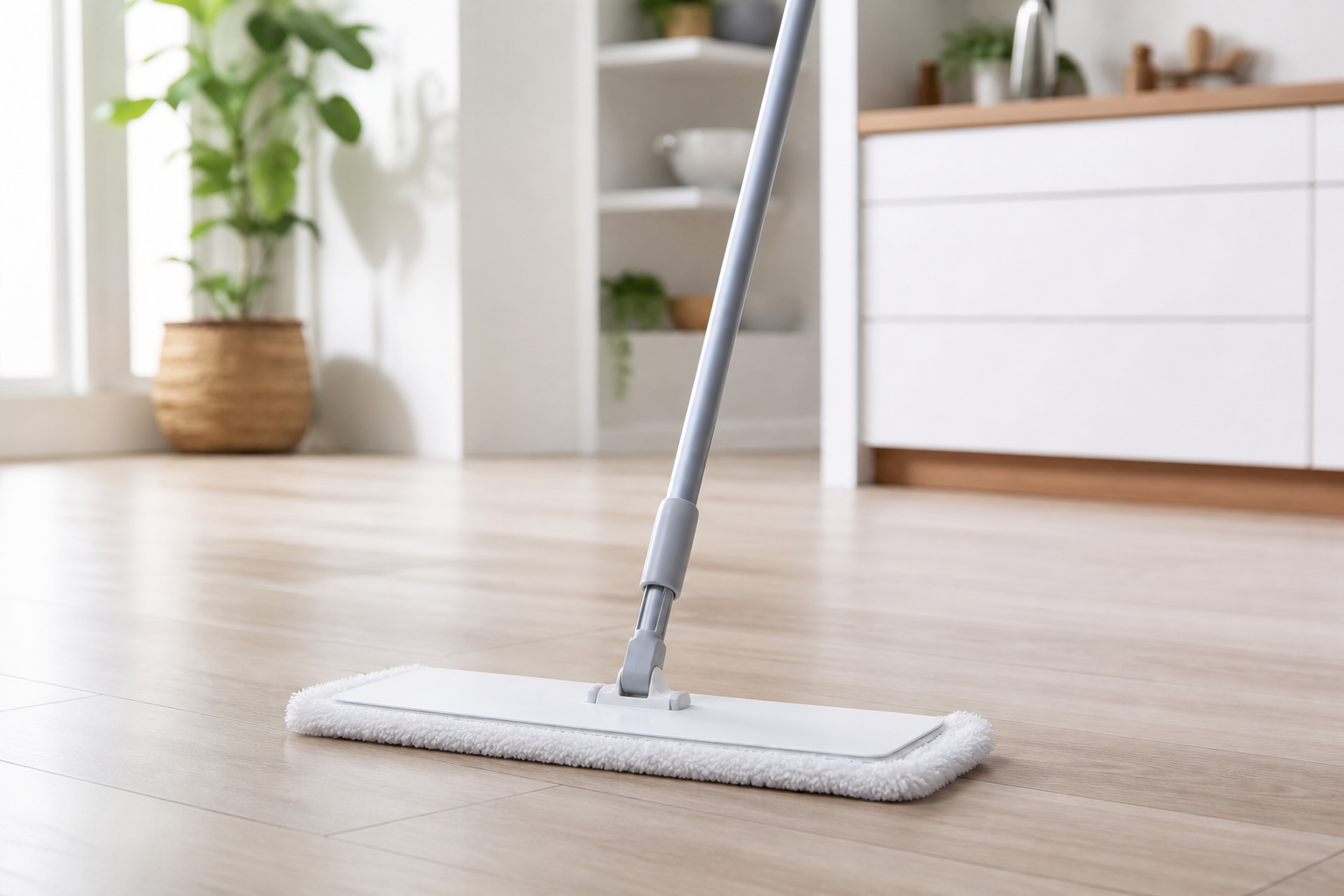
The Swiffer Sweeper is a flat, lightweight floor-cleaning tool that uses attachable dry sweeping cloths and wet mopping cloths. Starter kits commonly include the sweeper handle, floor head, and a small number of pads, but bundles vary, so check the specific listing before buying. The basic idea is that dry cloths grab dust, hair, and loose debris, while wet cloths handle light mopping on sealed surfaces.
It is intentionally simple. There is no motor, charging dock, spray trigger, water tank, washable pad system, or app. You attach a cloth, clean the floor, remove the cloth, and toss it. That low-friction routine is the point. The Swiffer Sweeper is for maintenance cleaning, not once-a-month floor rescue.
Who It Is For
Apartment and dorm dwellers
If storage space is tight, a bulky mop bucket is hard to justify. The Swiffer Sweeper stores vertically in a closet, behind a door, or next to a laundry area. It is especially useful in small kitchens, entryways, bathrooms, and studio apartments where a full vacuum or mop feels like too much for a two-minute mess.
Pet owners who need daily hair control
Dry sweeping cloths can be helpful for surface pet hair on hard floors, especially around baseboards and under chairs. They will not replace a vacuum for rugs, upholstery, or heavy shedding, but they can make daily hair control less annoying between bigger cleanings.
Parents and busy households
Crumbs under the table, bathroom dust, craft debris, and sticky kitchen spots are easier to handle when the tool is already assembled. The Sweeper’s value is not that it cleans better than every mop. It is that it lowers the activation energy. When cleanup takes less effort, it happens more often.
Anyone with mobility or fatigue concerns
Because it is lightweight and does not require carrying a bucket, it can be easier to manage than traditional mopping. That does not make it perfect for every user, but the low weight is one of its strongest practical advantages.
Who Should Skip It
Skip the Swiffer Sweeper if you want a reusable, low-waste floor system. A spray mop with washable microfiber pads, like the kind discussed in our Rubbermaid Reveal Spray Mop review, may make more sense if you clean large areas often and dislike buying disposable refills.
You should also skip it if your floors regularly need scrubbing. Dried sauce, muddy footprints, textured tile grout, sticky pet messes, and neglected kitchen floors usually need more pressure, more liquid, and a washable or scrub-friendly pad. The Sweeper is a maintenance tool, not a miracle worker.
Finally, check your flooring guidance before using wet cloths. The Sweeper is generally aimed at sealed hard floors, but unsealed wood, waxed surfaces, and moisture-sensitive floors need caution. When in doubt, use a dry cloth first and follow your floor manufacturer’s cleaning recommendations.
Real-World Use Cases
The after-dinner kitchen pass
This is where the Swiffer Sweeper makes the most sense. Run a dry cloth for crumbs, then use a wet cloth on light splatters or sticky traffic areas. It is not as thorough as a full mop, but it can keep the kitchen from sliding into chaos during the week.
The bathroom reset
Bathrooms collect hair, dust, lint, and small bits of tissue. A dry cloth is quick enough to use before guests arrive or after a morning routine. The low-profile head can also reach around toilets and vanities more easily than many bulky mops.
The entryway clean-up
For dry dust, grit, and light dirt near the door, the Sweeper is a fast first pass. If you deal with heavy mud, snow, or wet grit, you will want something more rugged, but for everyday tracked-in debris it is convenient.
The under-furniture dust grab
The flat head is useful under sofas, beds, console tables, and appliances with enough clearance. It will not pull debris out of thick corners the way a vacuum crevice tool can, but it is very good for visible dust bunnies on hard floors.
Strengths
- Extremely easy to start using: No bucket, no charging, no setup beyond attaching a cloth.
- Lightweight: Easier to grab for small jobs than many mops or vacuums.
- Good for quick dust and hair pickup: Dry cloths are the best part of the system for many households.
- Low-profile head: Helpful under furniture edges and around tight bathroom fixtures.
- Small-space friendly: Stores easily in apartments, dorms, laundry closets, and utility rooms.
Caveats
The first caveat is refill cost. The handle may be inexpensive, but the system makes the most sense if you are comfortable buying replacement cloths. Before buying, look at the cost and pack size of dry and wet refills so the long-term cost does not surprise you.
The second caveat is waste. Disposable pads are convenient, but they are not the most sustainable option. If you clean every day and care strongly about reducing trash, a washable microfiber mop may be a better fit.
The third caveat is cleaning power. Wet cloths are useful for light messes, but they do not scrub like a traditional mop, steam mop, or stiff microfiber pad. If you expect the Swiffer to rescue a neglected floor, you will be disappointed.
Alternatives and What to Compare
If you want reusable pads and a refillable cleaning solution bottle, compare the Sweeper against spray mops. Our best cleaning upgrades guide is a useful place to start if you are building a simple home-cleaning kit.
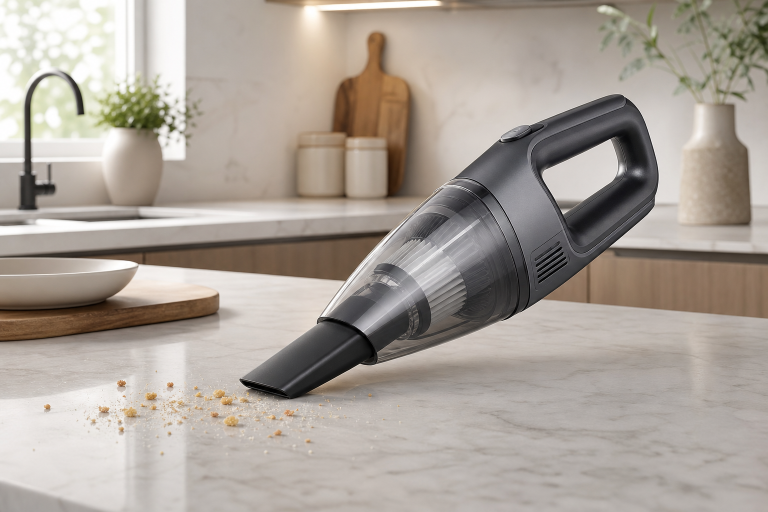
If pet hair is the main problem, compare it with a lightweight stick vacuum or handheld vacuum. A sweeper can grab surface hair, but a vacuum is better for cracks, corners, rugs, upholstery, and larger debris. For small messes above the floor, see our BLACK+DECKER Dustbuster AdvancedClean review.
If you want a traditional mop feel without a bucket, compare disposable wet cloth systems with microfiber flat mops. The key question is whether you value convenience more than reusable pads and stronger scrubbing.
Buying Advice
Start with the kit, not a giant refill pack, unless you already know you like the system. Confirm what the starter kit includes, because pad counts and bundle contents can change. Then decide whether your home will use more dry cloths, wet cloths, or both.
For homes with mostly dust and hair, dry cloth refills may matter more. For kitchens and bathrooms, wet cloths may be useful, but they should be viewed as light maintenance pads. If you have several rooms of hard flooring, compare the refill math against a washable spray mop before committing.
Also think about storage. The Swiffer Sweeper is most useful when it is easy to grab. If it ends up buried behind a vacuum, broom, and step stool, its convenience advantage disappears.
Final Verdict
The Swiffer Sweeper is worth considering if you want a no-drama floor tool for quick hard-floor resets. It is simple, lightweight, easy to store, and practical for apartments, kitchens, bathrooms, pet hair touch-ups, and busy households that need cleaning to feel less like an event.
It is not the best choice for deep cleaning, large homes with lots of hard flooring, heavy messes, or shoppers who dislike disposable refills. But as an Amazon-essential-style maintenance tool, it still makes sense because it solves the most common cleaning problem: not “How do I perfectly mop the floor?” but “How do I make the floor look better right now without turning it into a project?”
Bottom line: If you want the easiest possible hard-floor touch-up tool, compare Swiffer Sweeper starter kits on Amazon. If you want lower waste or more scrubbing power, compare reusable microfiber spray mops before buying.