Prediction: Countertop Dishwashers Could Be the 2026 Small-Kitchen Upgrade Amazon Shoppers Finally Try
Must Grab That may earn a commission from qualifying purchases made through links in this article. As an Amazon Associate, we earn from qualifying purchases. Prices and availability can change, so check the retailer page before buying.
Countertop dishwashers are not new, but they are starting to look like the kind of practical small-space appliance that could get a second life on Amazon and short-form video. The reason is simple: more renters, dorm shoppers, RV owners, and tiny-kitchen households want one specific upgrade without remodeling the kitchen. A compact dishwasher promises fewer sink piles, less hand-washing fatigue, and a cleaner-looking counter routine without a full built-in installation.
Quick CTA: Compare current options here: shop countertop dishwashers on Amazon, or browse portable countertop dishwashers with water tanks.
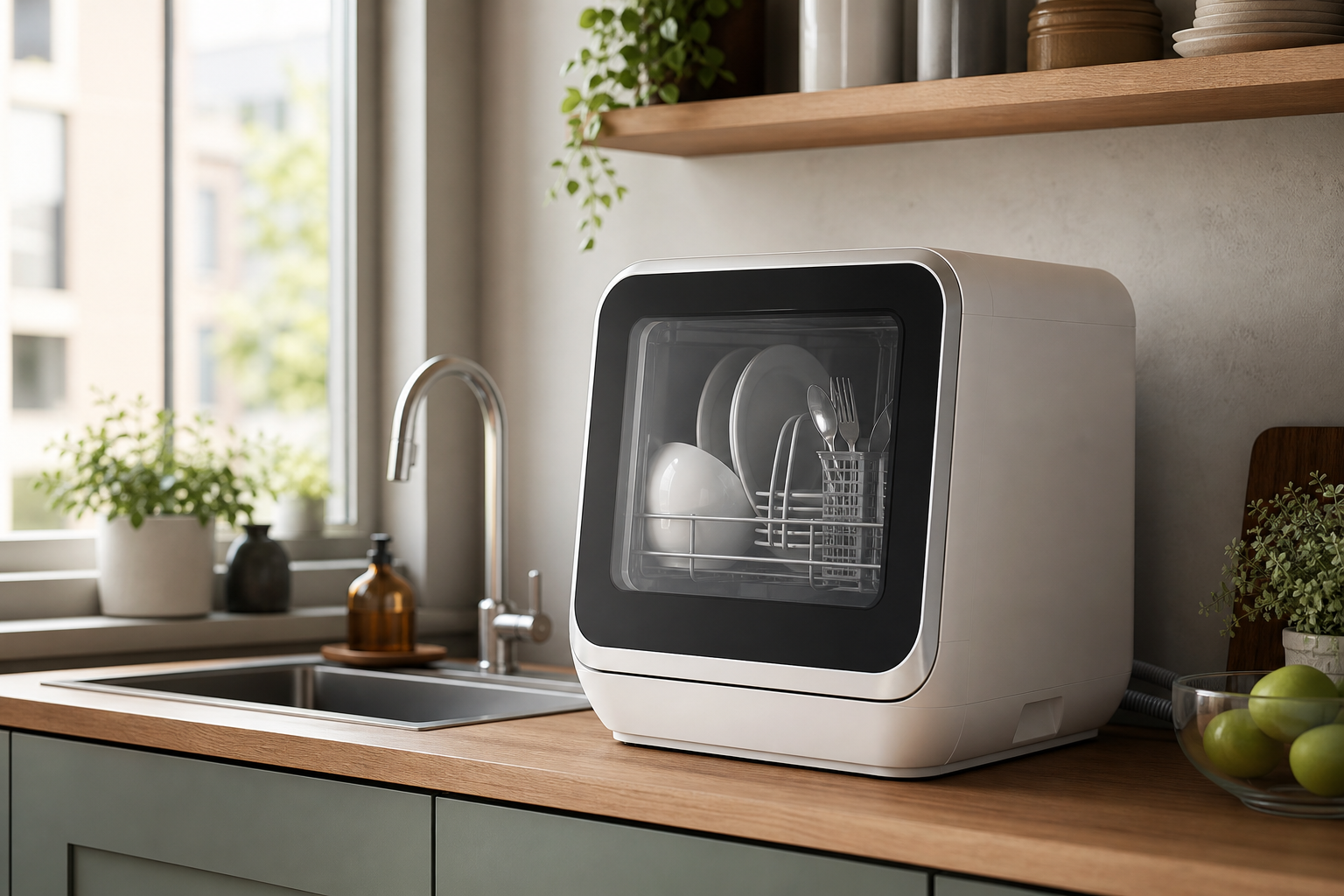
Featured image credit: AI-generated editorial product-style illustration for Must Grab That. Not an official product image; no Amazon product imagery used.
Prediction: Countertop Dishwashers Could Become the Small-Kitchen Appliance People Actually Keep
The next big Amazon trend does not always look flashy. Sometimes it is a product category that solves a daily annoyance so clearly that people start filming the before-and-after. Countertop dishwashers fit that pattern. They are visually satisfying, easy to understand in a short video, and aimed at a very real pain point: dishes are relentless, especially in small kitchens without built-in dishwashers.
The trend case is not that every apartment will suddenly have a mini dishwasher. The trend case is that a growing group of shoppers will decide a compact machine is more realistic than waiting for a better rental, fighting a sink full of dishes, or buying disposable shortcuts. If manufacturers keep improving capacity, water-tank convenience, drying, noise, and counter footprint, countertop dishwashers could become a common “why didn’t I buy this sooner?” product.
It is the same kind of practical upgrade logic behind recent small-space and low-friction products like clamp-on bedside shelves, countertop appliance sliders, and refillable cleaning tools: not glamorous, but useful enough to become part of the routine.
Why This Category Could Trend
Countertop dishwashers have several trend-friendly ingredients. First, they solve a problem that is instantly visible. A sink full of plates, mugs, and utensils makes a kitchen feel messy even when the rest of the room is clean. Second, the transformation is easy to show. Load the rack, run the cycle, open the door, and reveal a calmer counter. Third, the target audience is large: renters, students, remote workers, small households, RV travelers, and people with limited mobility all have reasons to want fewer hand-washing sessions.
The category also benefits from the rise of “apartment hacks” and “small kitchen reset” content. Many viral home products do not go viral because they are new. They go viral because someone demonstrates a normal problem in a way that makes viewers think, “That is my kitchen.” Countertop dishwashers have that exact storytelling advantage.
Another reason is the newer water-tank style. Traditional portable dishwashers often require faucet hookups, which can be intimidating or incompatible with some sinks. Models that include built-in water tanks can feel more renter-friendly because they reduce setup anxiety. Shoppers still need to check dimensions, drainage, electrical requirements, and instructions, but the idea is simpler: fill, drain, and run.
Who Will Buy Them First?
The earliest mainstream buyers are likely small households that cook enough to create dishes but not enough to justify a full kitchen overhaul. Think studio apartments, in-law units, dorm-adjacent rentals, tiny homes, basement suites, and RVs. A single person or couple can often fill a compact dishwasher with daily cups, plates, utensils, lunch containers, and a few small prep items.
Parents may also consider them for bottle parts, snack dishes, and the never-ending rotation of cups, though they should check whether a given model and cycle is appropriate for the items they plan to clean. People with hand pain, skin sensitivity, or limited standing tolerance may see the appeal because hand-washing is physically repetitive. Again, the product is not a medical device; it is a household appliance that can reduce one kind of daily strain.
The other likely buyer is the “renter who is tired of waiting.” Built-in dishwasher access depends on the apartment. A countertop model gives shoppers an upgrade they can take with them, assuming it fits their space and lease rules.
The TikTok and Social Trigger
This category has strong short-form video potential because the product creates a visible sequence: messy sink, compact load, satisfying water movement, clean dishes, clearer counter. The best videos will not need exaggerated claims. The basic demonstration is enough. A creator can show how many items fit, how much counter space it uses, where the drain hose goes, and whether the routine feels realistic after a week.
There is also an “unexpected appliance” factor. Many shoppers know about air fryers, countertop ice makers, and compact washing machines. A mini dishwasher still feels surprising to people who have never lived with one. That novelty can drive curiosity, but the category will only stick if buyers feel the daily cleanup benefit is real.
The videos that matter most will be the honest ones: capacity tests, noise checks, water-tank refills, drying results, and what does not fit. If countertop dishwashers trend, shoppers should watch for practical demos rather than polished clips that hide the drain setup or overstate capacity.
What to Look For Before Buying
Real dimensions, not just “compact” wording
Measure your counter depth, cabinet clearance, sink distance, and storage options. A countertop dishwasher can be small compared with a built-in appliance while still being large for a studio kitchen. Make sure the door can open fully and that you can load it without moving half your counter around.
Water setup
Some models connect to a faucet. Others use a built-in tank. Some may offer both. Faucet compatibility, adapters, hose placement, and drainage matter more than the marketing headline. If you rent, avoid anything that requires modifications you are not allowed to make.
Capacity that matches your dishes
Compact dishwashers are usually best for plates, bowls, cups, utensils, and small items. Large pans, tall cutting boards, mixing bowls, and oversized mugs may not fit. Before buying, compare the interior measurements and rack layout with your actual dishes.
Cycle options and drying expectations
Look at wash cycles, drying features, filter access, and maintenance instructions. Do not assume a compact dishwasher will behave exactly like a full-size built-in model. Drying may vary by item material, load style, and cycle selection.
What to Avoid
Avoid buying a countertop dishwasher only because it looks cute in a video. The wrong dimensions or hookup style will turn it into a bulky regret. Avoid listings that do not clearly show interior capacity, hose setup, tank location, power requirements, and cleaning instructions. Avoid assuming every model is quiet enough for a studio apartment; check owner feedback and specifications where available.
Also avoid overbuying for a fantasy routine. If you almost never cook, a mini dishwasher may not earn its space. If you cook large meals with big pots and sheet pans, it may only handle the small stuff and leave the hardest pieces in the sink. That can still be useful, but expectations need to be honest.
Amazon Buying Checklist
Before choosing a model, run through this checklist:
- Measure counter width, depth, height, and door swing clearance.
- Confirm whether it uses a faucet hookup, built-in tank, or both.
- Check drainage requirements and where the hose will sit during a cycle.
- Compare interior rack layout with your plates, mugs, and bowls.
- Review filter cleaning and maintenance instructions.
- Look for clear warranty/support information from the seller or manufacturer.
- Read recent buyer feedback for noise, leaks, drying, and long-term reliability patterns.
You can start with broader searches like mini countertop dishwasher, countertop dishwasher for apartments, and portable dishwasher for RV use.
Caveats That Could Slow the Trend
Countertop dishwashers still have real limitations. They take up counter space, require water handling, need drainage, and may not fit larger cookware. Some kitchens simply do not have the layout for one. Noise can matter in small apartments. Reliability and leak concerns can also make shoppers cautious, especially with lesser-known brands.
The category will grow if shoppers see honest capacity demos and clear setup explanations. It will stall if listings overpromise, if users hide the messier parts of the routine, or if buyers discover the appliance is too large for their real counter. This is why the best buying advice is boring: measure first, choose the setup style second, and only then compare features.
Final Verdict
Countertop dishwashers have the ingredients to become a bigger Amazon and short-form-video trend: visible problem, satisfying demonstration, renter-friendly appeal, and a clear small-space use case. The category is not for everyone, and it should not be treated as a magic replacement for a full-size dishwasher. But for the right apartment, dorm, RV, or tiny kitchen, it could be one of the more genuinely useful appliance trends to watch.
Prediction: compact countertop dishwashers could become a 2026 small-kitchen upgrade that Amazon shoppers seriously compare, especially if water-tank models keep making setup feel less intimidating. The winners will be the models that are honest about capacity, easy to maintain, and practical enough to stay on the counter after the novelty wears off.