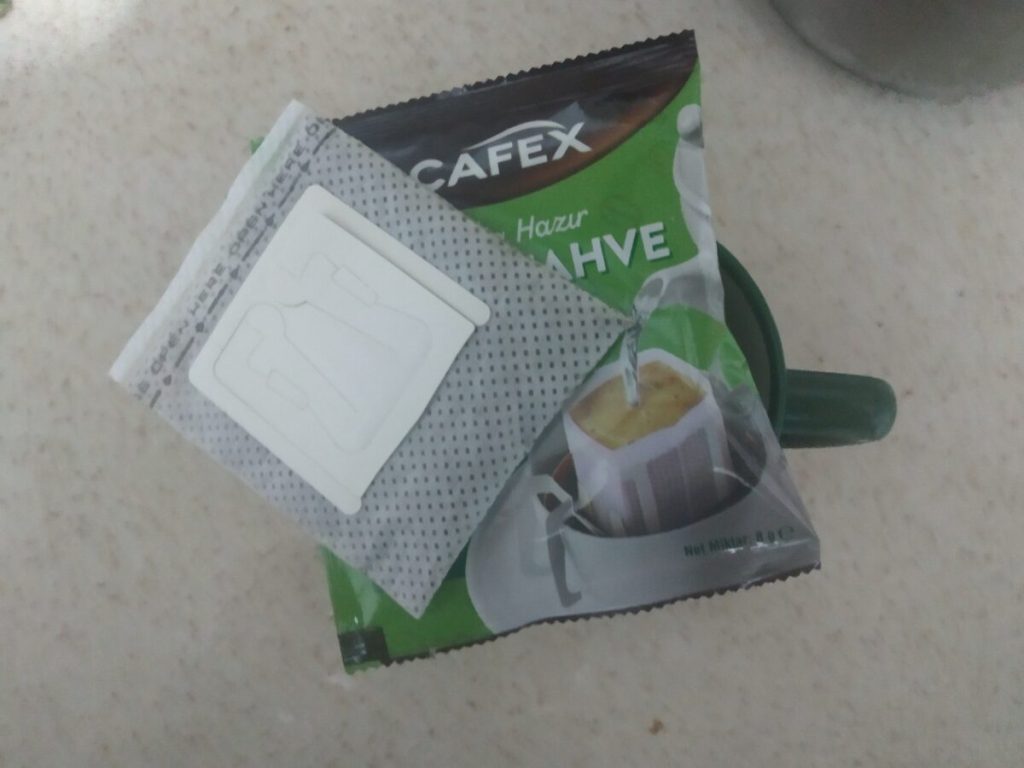

Here’s a prediction that’s already quietly becoming true: in 2026, the “default” home coffee upgrade won’t be a new machine — it’ll be a compact, low-mess system for making better coffee with less cleanup. The hero products in this trend are stainless steel reusable K‑cup filters and paperless pour-over mesh filters that let people get a better cup while cutting waste and avoiding the “soggy paper filter” routine.
Why this matters: a lot of people are stuck between convenience (pods) and quality (grind + brew). The new middle ground is “convenience with control” — using your own beans with a reusable filter, keeping the routine fast, and reducing trash.
TL;DR
- Prediction: reusable pod filters + paperless pour-over filters will become the standard “tiny upgrade” for home coffee in 2026.
- Reason: people want less waste and more taste without adopting a complicated barista hobby.
- Best buys: stainless steel, easy-clean designs with a fine-enough mesh to avoid sludge.
Who it’s for
- Anyone using a pod machine who wants better coffee with less plastic waste.
- People who like pour-over flavor but hate buying/handling filters.
- Households where multiple people drink coffee and convenience matters more than perfection.
Who should skip
- If you hate cleanup. Reusable filters are easy, but they’re not zero-effort — you still need to rinse grounds.
- If you love ultra-clean cups and are sensitive to fines/sediment. Paper filters still win for absolute clarity.
- If your machine is finicky: some pod machines are picky about reusable pods and can clog with too-fine grinds.
Pros
- Less waste: fewer disposable pods/filters heading to landfill.
- More control: pick beans you actually like and tune strength by grind and dose.
- Lower cost per cup: especially if you’re currently buying branded pods.
- Small behavior change: it feels like a simple swap, not a lifestyle overhaul.
Cons
- Cleanup exists: you’ll be dealing with wet grounds; the workflow matters.
- Mesh quality varies: cheap filters can pass fines and create grit, or they can clog and brew too slowly.
- Not all machines play nicely: a reusable K‑cup that fits one brewer can be a poor fit in another.
What to look for (buying checklist)
This is the part most people get wrong: they buy the cheapest reusable filter, hate the results, and conclude the concept is bad. The concept is fine — the spec matters.
- Fit/compatibility: confirm your exact brewer model before ordering.
- Stainless steel mesh with a consistent weave (reduces random channeling and clogging).
- Easy-open + easy-clean design: hinged or twist-open parts that you can rinse quickly beat awkward multi-piece designs.
- Fine-enough filtration: too coarse = sludge; too fine = slow brew and clogging.
- Heat-safe materials: avoid mystery plastics; if there is plastic, look for clear heat ratings and food-safe claims.
Why this trend is accelerating in 2026
Three forces are pushing this into “default upgrade” territory:
- Waste fatigue: consumers are increasingly uncomfortable throwing away pods and stacks of filters for an everyday habit.
- Price pressure: pod prices make people look for savings that don’t require giving up convenience.
- Better product design: newer reusable filters are less messy, fit better, and clean more easily than early generations.
The “TikTok effect” here is simple: short videos demonstrate a satisfying, repeatable workflow (fill, brew, dump, rinse). When a routine is visually simple, adoption spikes.
How to avoid the two most common failures
Failure #1: Wrong grind. If you grind too fine, a reusable pod can clog and taste bitter. If you grind too coarse, you get a weak cup. Start around a medium grind and adjust one step at a time.
Failure #2: Bad cleanup workflow. If dumping grounds is annoying, you’ll stop using the reusable filter. The trick: keep a small countertop bin or compost container near your brewer, and rinse immediately while the grounds are still wet (they release faster).
If you like small home upgrades that compound over time, pair this with other “micro-fixes” that remove friction. For example, these two posts are good complements:
- Best USB‑C Rechargeable Travel Essentials (2026) (pillar: build a simpler, one-cable kit that complements any daily routine)
- Best Pocket-Size Tools (2026) (roundup: the small, practical stuff that keeps home routines smooth)
- Prediction: Self‑Draining Sink Caddies Will Be the 2026 Kitchen Micro‑Upgrade (related: another tiny upgrade that removes friction)
Sources
- Amazon search results (reusable K‑cup filters): https://www.amazon.com/s?k=reusable+k+cup+filter+stainless+steel
- National Coffee Association (general coffee brewing + coffee basics context): https://www.ncausa.org/About-Coffee
- US FDA (food contact materials overview; general background for materials safety considerations): https://www.fda.gov/food/food-ingredients-packaging/food-contact-materials
FTC disclosure: This post may contain affiliate links. If you buy through these links, we may earn a commission at no extra cost to you.