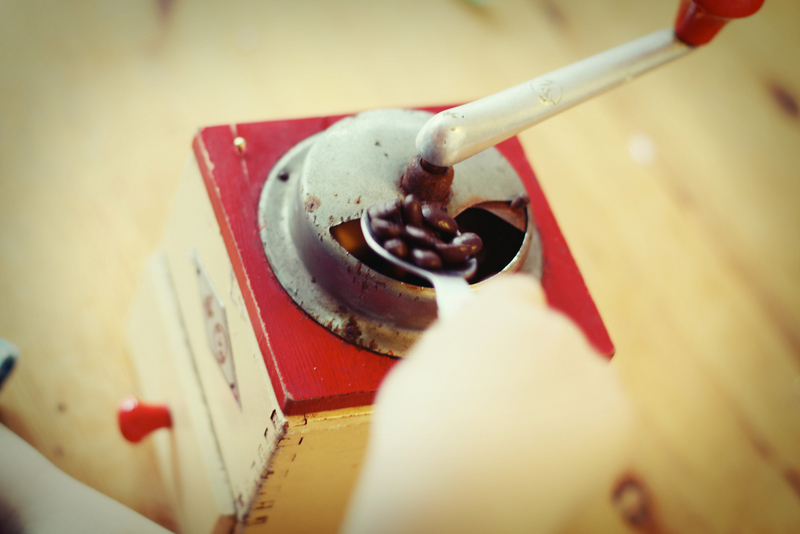

Manual coffee grinders are quietly lining up for a bigger 2026 moment. They sit right at the overlap of three durable buying patterns: better home coffee without café pricing, travel-friendly brewing kits, and the broader TikTok/Amazon shift toward small tools that feel more “ritual” than appliance. They’re not new, but the newest wave of shoppers isn’t buying them as hobby gear — they’re buying them as compact, giftable, countertop-friendly upgrades.
The thesis is simple: more buyers want fresher coffee, less counter clutter, and more control without going full espresso-nerd. That makes hand grinders unusually well-positioned for discovery content, especially when paired with AeroPress, pour-over kits, kettles, or camping coffee setups.
See the trend early: compare manual coffee grinders with stainless burrs, travel canisters, and AeroPress-friendly sizing.
TL;DR
Prediction: manual coffee grinders will become a bigger Amazon winner in 2026, especially among gift buyers, apartment dwellers, travelers, and anyone building a compact home coffee setup. The category works because it feels premium without requiring a full machine purchase, and because it pairs naturally with other trending coffee tools. Expect the strongest performers to be burr grinders with clear grind adjustment, solid handle fit, and a capacity sized for one or two cups.
If you’re building a practical brew setup, start with our travel gear pillar, our travel essentials roundup, and our related article on the AeroPress coffee maker.
Who it’s for
This trend is for readers who care about coffee quality but don’t want a giant appliance footprint. It fits renters, students, travelers, campers, vanlifers, office brewers, and gift buyers looking for something that feels elevated without being absurdly expensive. It also suits people who already own a brewer like an AeroPress, French press, or pour-over dripper and want fresher grounds without locking into pods or pre-ground supermarket coffee.
It is especially strong for content because it demos well. You can hear it, see it, compare grind size, and tie it to morning-routine or desk-reset videos — exactly the kind of sensory loop that performs on short-form video.
Who should skip
People making large batches every morning should probably skip this category. Manual grinding is satisfying for one or two cups, not a family carafe before school. Shoppers who want push-button convenience above all else will also bounce. And buyers chasing “espresso-quality” results on a shoestring should temper expectations: a good hand grinder can be excellent, but not every cheap model has the burr quality or consistency to handle demanding brew methods.
If speed matters more than ritual, an electric burr grinder will still make more sense.
Pros
- Freshness advantage: grinding immediately before brewing still matters for aroma and taste.
- Small footprint: easy to store in apartments, offices, campers, and travel kits.
- High content appeal: tactile, visual, and easy to pair with brewing demos.
- Giftable price band: many strong candidates land in a range that feels meaningful but not excessive.
- No outlet required: great for camping, hotel mornings, and backup brewing setups.
Cons
- Slower than electric grinding: obvious, but important for routine-heavy mornings.
- Quality spread is wide: cheap grinders often wobble, jam, or produce inconsistent grounds.
- Capacity is limited: many are built for one or two servings, not a group.
- Some listings oversell precision: stepped adjustment and true burr alignment vary a lot.
Why this will trend in 2026
1) Coffee content keeps fragmenting into smaller rituals. Not everyone wants a full espresso station. A hand grinder plus a simple brewer looks aspirational, affordable, and attainable on camera.
2) The category bundles well. It naturally cross-sells with kettles, scales, filters, travel mugs, and brewers. That makes it strong for Amazon browsing behavior and affiliate monetization.
3) It solves a real pain point. People notice stale pre-ground coffee. A grinder offers an easy “I upgraded my mornings” story without requiring barista-level commitment.
4) It matches the anti-clutter mood. Compact manual tools play well in small kitchens and clean desk setups. Buyers want fewer bulky single-purpose appliances.
What to look for
Steel or ceramic burrs with credible consistency. Burr grinders beat blade-style gimmicks for usable grind size control. Steel burrs often win on speed; ceramic can be durable and quieter, but implementation matters more than spec-sheet marketing.
Easy adjustment. Buyers need clearly stepped settings or a well-explained adjustment system. Confusing grind controls kill repeat satisfaction fast.
Stable crank and body design. A comfortable grip and non-wobbly handle matter more in real use than polished product renders.
Travel-friendly storage. The winners for 2026 will often be models that tuck neatly into a bag or pair cleanly with an AeroPress-style kit.
Honest capacity. Enough for one or two drinks is fine. The problem is when tiny grinders are marketed as family-size solutions.
Useful comparison searches on Amazon:
Bottom line
Manual coffee grinders check a lot of 2026 boxes at once: small-space friendly, giftable, content-friendly, and legitimately useful. The category isn’t guaranteed to explode in a single week, but it has the profile of a durable Amazon riser rather than a disposable fad. That makes it exactly the sort of prediction worth acting on early.
For readers who want better coffee with less bulk and more control, this is a credible trend — as long as they buy for burr quality and usability instead of aesthetics alone.
Sources
- Wikimedia Commons: Manual coffee grinder image and license details
- Amazon search results for manual coffee grinders
- Must Grab That: AeroPress Coffee Maker Review
FTC disclosure: As an Amazon Associate, Must Grab That may earn from qualifying purchases made through links on this page.