Prediction: Electric Air Dusters Will Replace Canned Air in 2026 (TikTok Desk-Cleaning Trend)
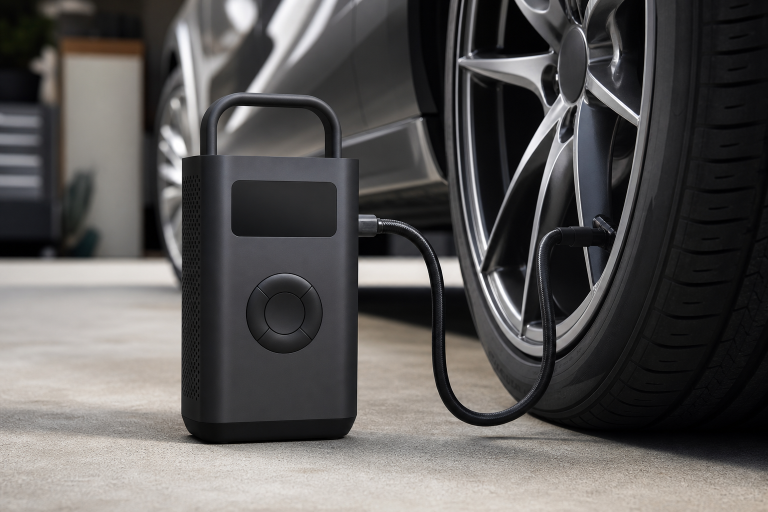
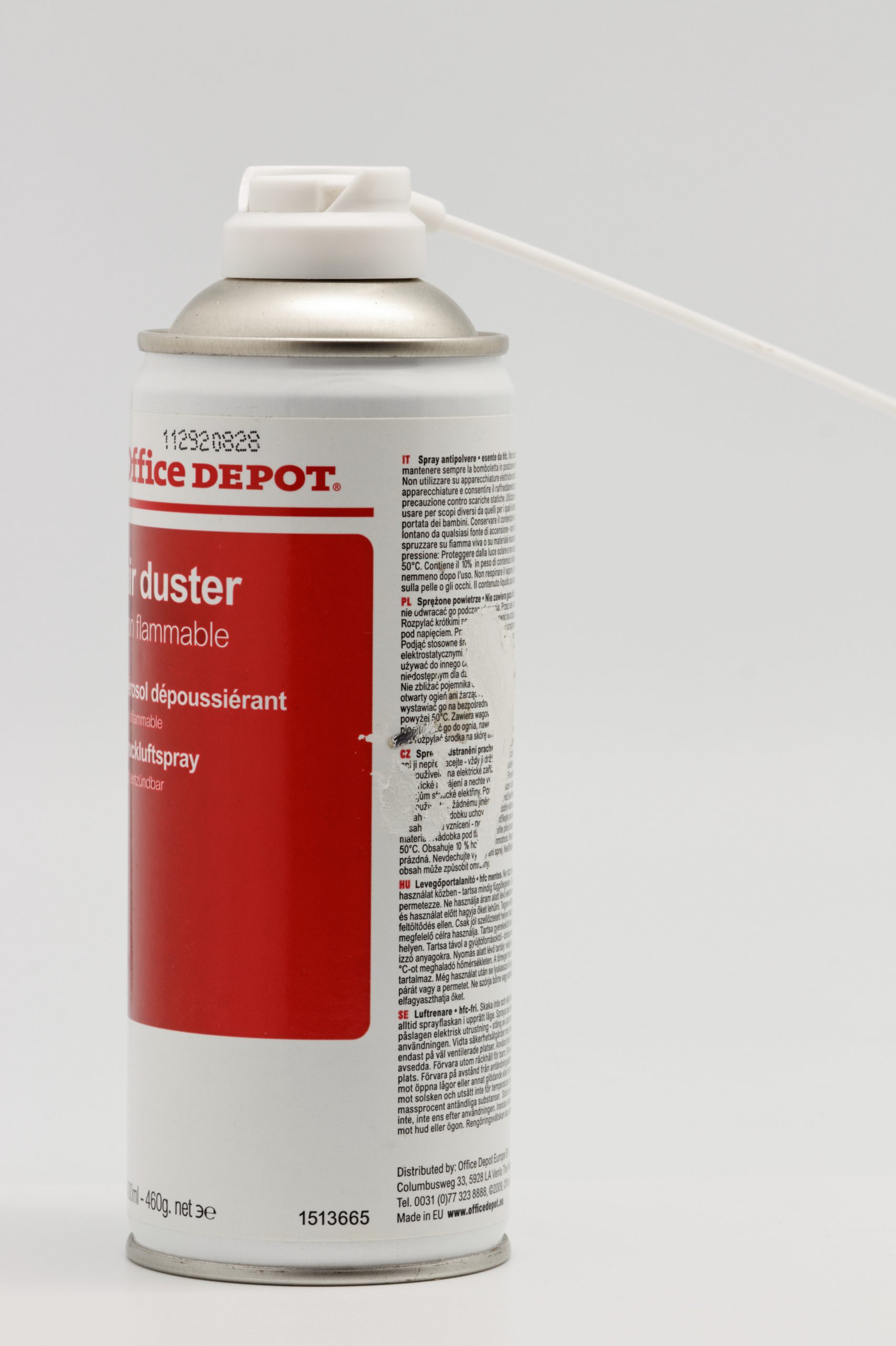
Canned air still works, but it is increasingly obvious that it is a bad long-term habit for anyone with a real desk setup, gaming rig, or home office. You buy a can, use it in short bursts, watch it go weak at the worst moment, then buy another. Electric air dusters are not a novelty anymore; in 2026 they are turning into the practical default for people who clean keyboards, PC filters, desk accessories, cameras, and tight workspace corners more than occasionally.
The trend is not really about TikTok, even if TikTok helps surface it. The underlying reason is simple: rechargeable and corded electric dusters have gotten strong enough to be useful, while buyers are increasingly annoyed by the recurring cost and waste of canned gas dusters. That does not mean every electric duster is good, or that canned air disappears entirely. It means the switch now makes sense for a much larger chunk of people than it did a couple of years ago.
TL;DR
- Prediction: Electric air dusters keep replacing canned air for desk setups, PCs, and home-office cleaning in 2026.
- Why now: better motors, better batteries, more attachments, and growing buyer fatigue with disposable cans.
- Best for: people who clean electronics regularly enough to care about recurring cost and convenience.
- Main caveat: canned air still has a place for ultra-light use, tight travel kits, and some narrow-gap tasks.
Who this is for
- People with keyboards, monitor stands, laptops, desktops, consoles, and cable-heavy desks that collect dust constantly.
- PC owners who clean filters, fans, and vents often enough to get annoyed by buying disposable cans.
- Pet owners dealing with fur and dander around electronics.
- Shoppers who prefer one reusable tool over repeat small purchases that never quite feel worth it.
Who should skip it
- Anyone who cleans electronics once every few months and is happy with a single can lasting ages.
- People who want the smallest possible travel item; electric units are bulkier.
- Buyers expecting every cheap marketplace model to be good; there is still a lot of junk in this category.
Pros
- Lower cost over time: frequent cleaners stop re-buying cans.
- Consistent performance: no half-frozen can losing pressure mid-job.
- Less waste: reusable hardware beats tossing empty cans.
- Better versatility: many models include narrow nozzles, wider heads, and brush attachments.
Cons
- Higher upfront price: a decent electric duster costs more than one can.
- Noise: the effective ones are usually loud.
- Quality spread: weak, gimmicky models still flood online marketplaces.
- Battery reality: cordless units eventually degrade and need charging discipline.
What we looked at
Not every electric air duster deserves the trend. The useful ones separate themselves on a handful of real-world factors:
- Airflow strength: can it actually move debris out of a keyboard or PC filter instead of just nudging it around?
- Attachment quality: narrow nozzle, brush head, and wide sweep options all matter.
- Power system: rechargeable portability versus corded consistency is a genuine tradeoff.
- Ergonomics: grip comfort, trigger feel, and whether you can use it one-handed without fatigue.
- Heat and safety: sensible instructions, stable housing, and electronics-friendly use guidance matter more than flashy RPM claims.
Why the prediction holds up
Three market shifts make this trend feel durable rather than gimmicky.
First, desk setups are now permanent. What used to be a niche enthusiast habit is now mainstream: multi-monitor workstations, mechanical keyboards, streaming mics, gaming PCs, docking stations, shelves of peripherals. More gear means more dust traps. A reusable cleaning tool starts to make obvious sense.
Second, electronics ownership got both broader and pricier. Even fairly normal home setups now include laptops, tablets, earbuds, game controllers, chargers, and displays that people want to keep clean without fuss. As buyers take better care of gear, they look for maintenance tools that feel durable, not disposable.
Third, canned dusters have obvious friction. The recurring cost is annoying. The cans weaken. The storage and disposal are mildly annoying. And people are increasingly aware that “canned air” is generally compressed gas, not some magical endless cleaning solution. Once electric models cross the usefulness threshold, the old habit starts to look irrational.
Where canned air still wins
This is not a total extinction event. Canned air still makes sense in a few scenarios:
- Very occasional use: if you clean electronics twice a year, recurring cost is barely recurring.
- Ultra-compact storage: some people simply want a tiny backup item instead of another device to charge.
- Certain ultra-tight spaces: a thin straw can still be handy for narrow, awkward angles.
So the smarter prediction is not “canned air disappears.” It is “electric dusters become the default choice for regular users.” That is a much more believable shift, and it is already underway.
Checklist: clean electronics without doing something dumb
- Power down and unplug the device when practical before blasting dust around.
- Hold PC fans still while cleaning so airflow does not spin them freely.
- Use short bursts instead of hammering one area continuously.
- Pair airflow with a soft brush or microfiber cloth when debris is sticky or built up.
- Do the messy part outdoors or over a trash bag if your keyboard is a crime scene.
- Do not treat every cheap listing as equal; weak motors and bad nozzles kill the value fast.
Internal links
- Best Cable Management & Desk Organization Tools (2026)
- Portable Monitor Mount Review
- BAGSMART Electronics Organizer Review
Sources
- Wikipedia overview of gas dusters
- Wirecutter guide to compressed-air and electric duster options
- iFixit keyboard cleaning guidance
FTC disclosure
This post contains affiliate links. If you buy through them, we may earn a commission at no extra cost to you.