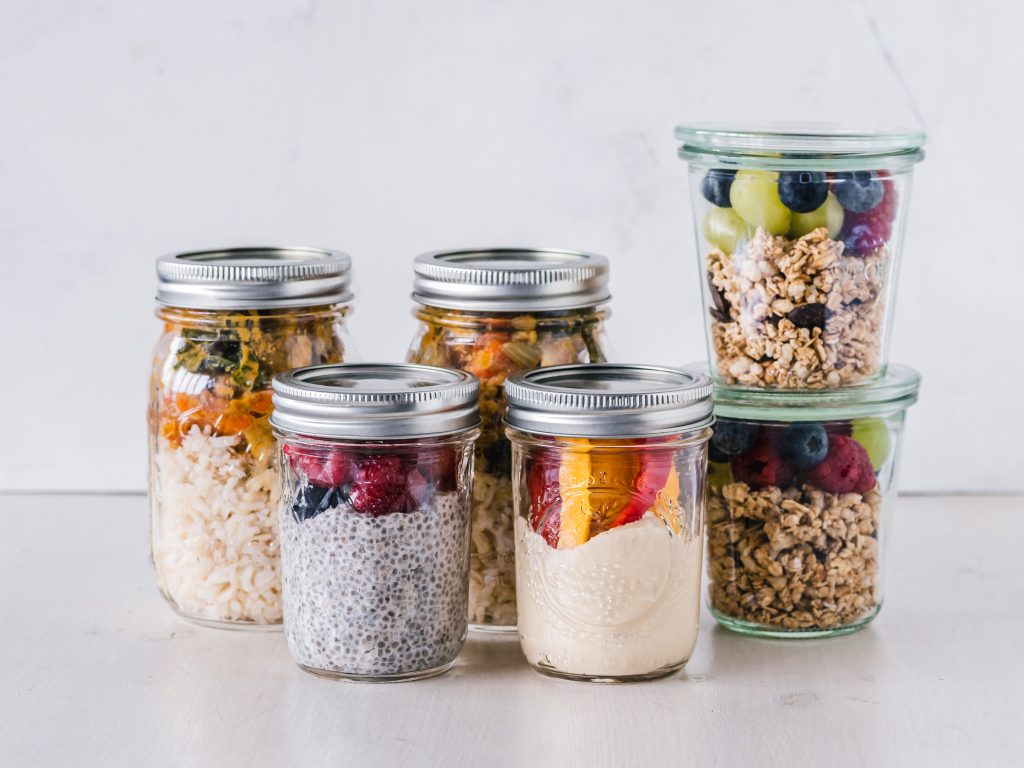

If your pantry is a mess, you don’t need a full kitchen remodel—you need a container system that stacks cleanly, seals well, and makes “refill day” painless. OXO POP Containers are the popular pick for a reason… but they’re not perfect.
Organization pillar: See more desk/closet/kitchen systems here: Best TikTok Organization Finds (2026).
Quick Amazon check: see current POP container options (sets + individual sizes).
TL;DR
- Best for: dry goods you open constantly (flour, oats, rice, snacks) and anyone trying to “see inventory” at a glance.
- Skip if: you want truly budget containers, or you hate hand-washing lids/parts.
- My take: POP wins on everyday usability (one-handed seal + stackability), but you should buy sizes intentionally—not random multipacks.
Who it’s for / Who should skip
Who it’s for
- Anyone reorganizing a pantry (especially if you buy in bulk).
- People who want visible inventory so you stop re-buying duplicates.
- Bakers/cooks who scoop often and want less mess than torn bags.
Who should skip
- If you mainly store liquids or saucy leftovers (these are dry-goods containers, not a meal-prep glass set).
- If you need a truly airtight “toss in a backpack” solution—choose screw-top jars for that use case.
- If you hate fussy cleaning (the lids have parts; they’re not just a single flat lid).
Pros / Cons (honest)
Pros
- Fast to use daily: push-button style seal is genuinely convenient when you’re cooking.
- Stacks cleanly: makes shelves feel bigger because everything becomes rectangular and stable.
- Inventory visibility: you can actually see what’s low.
Cons
- Easy to overbuy: sets often include sizes you won’t use.
- Lid cleaning isn’t “zero effort”: you’ll eventually want to clean/disassemble parts if flour/sugar dust gets in.
- Not the cheapest: you’re paying for the system + lid mechanism.
What we looked at (specs + common complaints + friction)
- Use case: dry pantry staples (flour, sugar, cereal, pasta, coffee, snacks).
- Key features to evaluate: seal consistency, stacking, wide-enough opening for scooping, and whether the lids stay clean over time.
- Common complaints (practical): people end up with awkward sizes; lids can get gunky if you never clean the mechanism; replacing lids is annoying compared to simple screw-tops.
- Warranty/returns friction: container systems are bulky to ship back—buy a small starter set first, confirm you like the lid style, then scale up.
Buying checklist: What to look for
- Start with “workhorse sizes”: 2–3 medium rectangles + 1 large for flour/rice tends to beat a random 20-piece assortment.
- Wide mouth matters: if you bake, pick a size that fits a standard measuring cup comfortably.
- Stacking footprint: measure your shelf depth/height (including the lid height) before committing to tall canisters.
- Plan for labels: label the container and the lid (so you don’t play lid-Tetris if you mix generations/sizes).
Amazon links (2–4)
- OXO POP container set (Amazon search)
- OXO POP 2–3 qt “daily use” size (Amazon search)
- Alternative: airtight dry-food storage containers (Amazon search)
Internal links (useful next clicks)
- Pillar: Best TikTok Organization Finds (2026)
- Roundup: 15 TikTok-to-Amazon Finds That Are Actually Worth It (2026)
- Related (reviews): BAGSMART Electronics Organizer Review (2026)
Sources / citations
- NYT Wirecutter: The Best Dry Food Storage Containers
- iFixit: How to Disassemble an OXO Container Lid for Cleaning
- iFixit: How to Fix an OXO Container’s Jammed Button
- Wikipedia: Food storage container (background)
Disclosure: As an Amazon Associate we earn from qualifying purchases.
More home upgrades: See our best TikTok home upgrades (2026) pillar roundup.