
Building a one-cable travel kit? I pulled together the essentials here: Best USB‑C Rechargeable Travel Essentials (2026).
Prediction: compact lithium jump starters will become a “default glovebox item” in 2026—especially the models that charge via USB‑C and double as a power bank.
Quick Amazon check (affiliate search):
Prioritize reputable brands, clear safety protections, and USB‑C charging. Skip sketchy “99999A” claims.
TL;DR
- Trend reason: people want “one device” for emergencies + phone charging, and USB‑C makes it plug-and-play.
- Buy smart: real clamp quality, real protections, and honest cold‑crank performance matter more than marketing amps.
- Amazon signal: a popular branded option in this space commonly shows ~4.5/5 with ~4k ratings on Amazon search (snapshot taken today from results for “NOCO Boost GB40”).
Who it’s for / Who should skip
It’s for you if…
- You drive an older car (or any car that sits for weeks) and you’d rather not wait for roadside assistance.
- You road trip, camp, or commute in cold weather.
- You want an emergency tool that also works as a phone/power-bank backup.
Skip if…
- You’re uncomfortable connecting clamps to a battery (or you won’t practice once in daylight).
- You only drive a vehicle that can’t be jump-started in the usual way (some hybrids/EVs have different procedures—check your manual).
- You’re tempted by “too cheap to be true” packs with wild amp claims and no documentation.
Pros / Cons (why they’ll keep trending)
Pros
- Self-rescue for a dead 12V battery without needing a second car.
- USB‑C charging means fewer proprietary cables (and easier top-ups at home).
- Many add a flashlight and can act as a power bank in a pinch.
Cons
- Safety matters: lithium packs + high current is not a toy.
- Capacity degrades over time, especially if stored hot (cars get very hot).
- Specs are easy to fake; you need to buy from a reputable brand and retailer.
What we looked at (specs, failure modes, returns friction)
- Charging input: USB‑C is the direction (less proprietary, easier to keep topped up). Watch for clear input ratings.
- Protections: reverse polarity protection, spark-proof clamps, and overcurrent protection are non-negotiable.
- Cold performance: lithium output can sag in cold; don’t expect miracles at extreme temperatures.
- Common complaints: packs arriving undercharged, clamps feeling flimsy, confusing “amp” marketing, and dead units after being stored in a hot trunk for months.
- Warranty/returns friction: these are regulated batteries; returns can be annoying. Keep packaging and test it early.
Buying checklist (“what to look for”)
- Reputable brand + documentation: manual, clear specs, and a real warranty.
- USB‑C charging: ideally the main input; avoid “micro‑USB only” in 2026 unless you’re price-constrained.
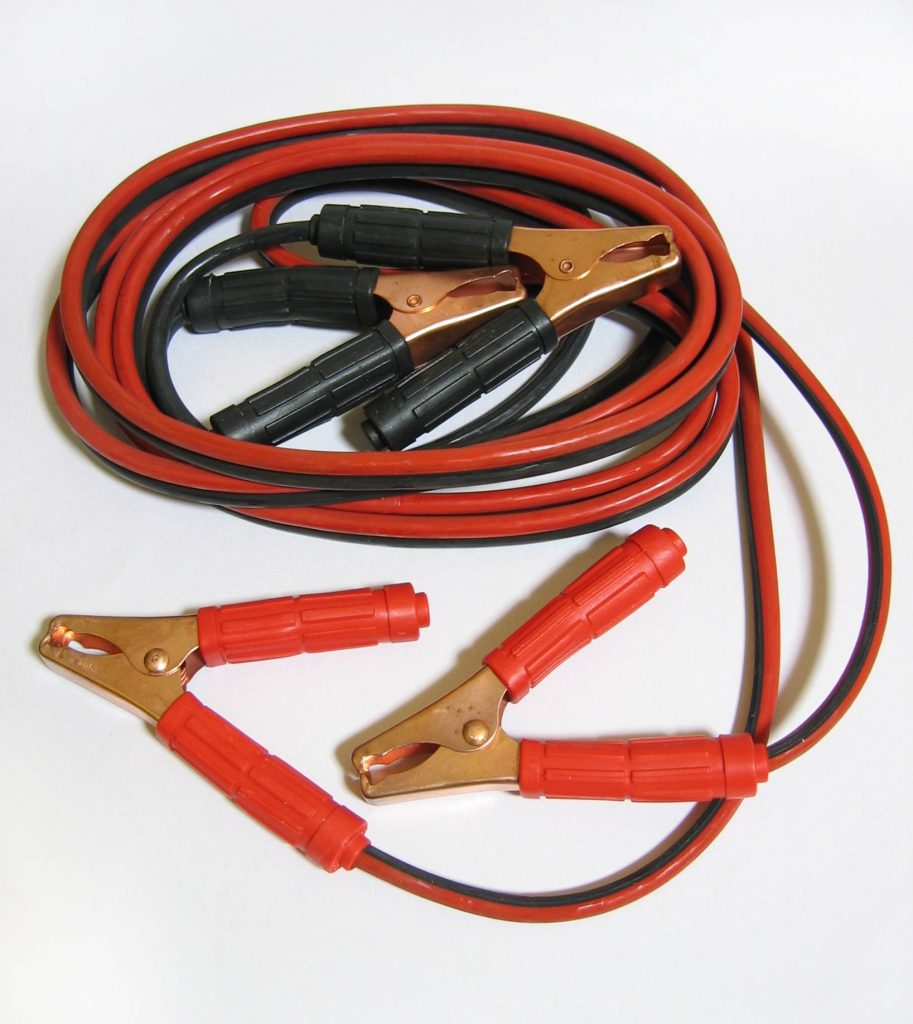
- Clamp quality: thick cables, solid jaw tension, and insulated grips.
- Honest performance metrics: look for tested recommendations; ignore absurd peak-amp numbers with no context.
Electrical safety checklist (read this)
- Read your vehicle manual for the correct jump-start points (some cars have remote terminals).
- Use spark-proof / reverse-polarity-protected clamps (avoid generic no-name units).
- Inspect cables for damage before every use; don’t use if insulation is cracked.
- Don’t store in extreme heat for long periods; heat accelerates lithium aging.
Amazon links (2–4 total)
- USB‑C car jump starter — Amazon search
- NOCO Boost GB40 — Amazon search
- Replacement clamps/cables — Amazon search
- Alternative: 12V battery maintainer/charger — Amazon search
More helpful reads on MustGrabThat
- Pillar: Best TikTok Travel Upgrades (2026)
- Roundup: Best Travel Gadgets That Are Actually Worth Packing (2026)
- Related prediction: Vacuum-suction phone mounts prediction
Sources / citations
- Wirecutter: Best Portable Jump Starter
- Wikipedia: Jump start (vehicle)
- Wikipedia: Jumper cable
- NOCO (manufacturer)
Disclosure: As an Amazon Associate we earn from qualifying purchases.