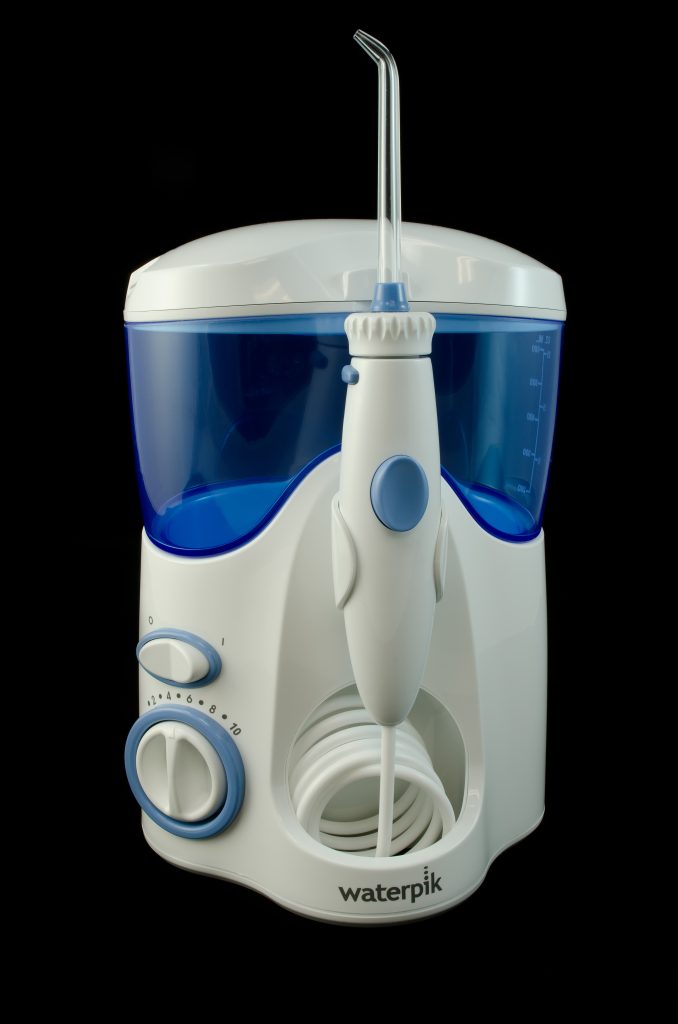

Prediction: cordless water flossers (portable oral irrigators) will keep trending through 2026 — especially the shower-safe, rechargeable models — because they solve a real friction point: lots of people simply don’t string-floss consistently.
Quick shop / compare
If you’re browsing, start with an Amazon search (so you can compare tips, tank size, and warranty).
Search “cordless water flosser” on Amazon
Search “Waterpik Cordless Advanced”
Why this category is popping off
- Behavior & convenience: A wand + water tank can feel easier than string floss for beginners, braces, bridges, and people with limited dexterity.
- Shower use: Waterproof cordless models encourage a simple habit stack: “shower → water floss → done.”
- Credibility signal: The ADA Seal of Acceptance exists for water flossers, which helps the category feel less gimmicky.
What the ADA actually says (plain English)
According to the ADA’s consumer guidance, water flossers are a way to clean between and around your teeth, and ADA Seal-accepted water flossers have been tested as safe and effective at removing plaque and helping reduce gingivitis. They’re also presented as an option for people who have trouble flossing by hand or who have dental work that makes flossing harder (like braces or fixed bridges).
Amazon “signal check” (ratings snapshot)
As a popularity snapshot (not a quality guarantee), one of the most prominent cordless picks — Waterpik Cordless Advanced 2.0 — currently shows about 4.2/5 stars with roughly 75,021 ratings on Amazon.
How to buy a cordless water flosser in 2026 (what actually matters)
- Waterproofing: If you want shower use, look for clear waterproof claims (often IPX7 or similar). Don’t assume.
- Tank size: Too small = constant refills = you stop using it.
- Pressure settings: More adjustability helps beginners avoid “gum blast” while still being effective.
- Tips/nozzles availability: Make sure replacement tips are easy to find and not weirdly expensive.
- Charging: USB-C is ideal; proprietary chargers are a long-term annoyance.
- Warranty: Water flossers can fail (leaks, pump issues). A real warranty is not optional.
What to avoid (common fails)
- No-name brands with no replacement tips (you end up trashing the whole device).
- Overpromising medical claims (“cures periodontal disease”) — walk away.
- Huge tanks + cheap seals (leaks are the #1 frustration point).
My 2026 forecast
Expect more:
- Travel-first designs (smaller tanks, better tip storage, quieter pumps)
- Shower-friendly ergonomics (grippier bodies, simpler on/off)
- “Starter bundles” (multiple tips, travel cases) as brands compete on convenience
Sources (non-Amazon)
- ADA consumer guidance on water flossers: https://www.mouthhealthy.org/all-topics-a-z/water-flossers
- NYT Wirecutter water flosser guide (category pros/cons + what features matter): https://www.nytimes.com/wirecutter/reviews/best-water-flossers/
- ADA oral health topic: floss/interdental cleaners (mentions water flossers as an interdental cleaning option): https://www.ada.org/resources/ada-library/oral-health-topics/floss
FTC Disclosure: This post contains affiliate links. If you buy through these links, we may earn a commission at no extra cost to you.