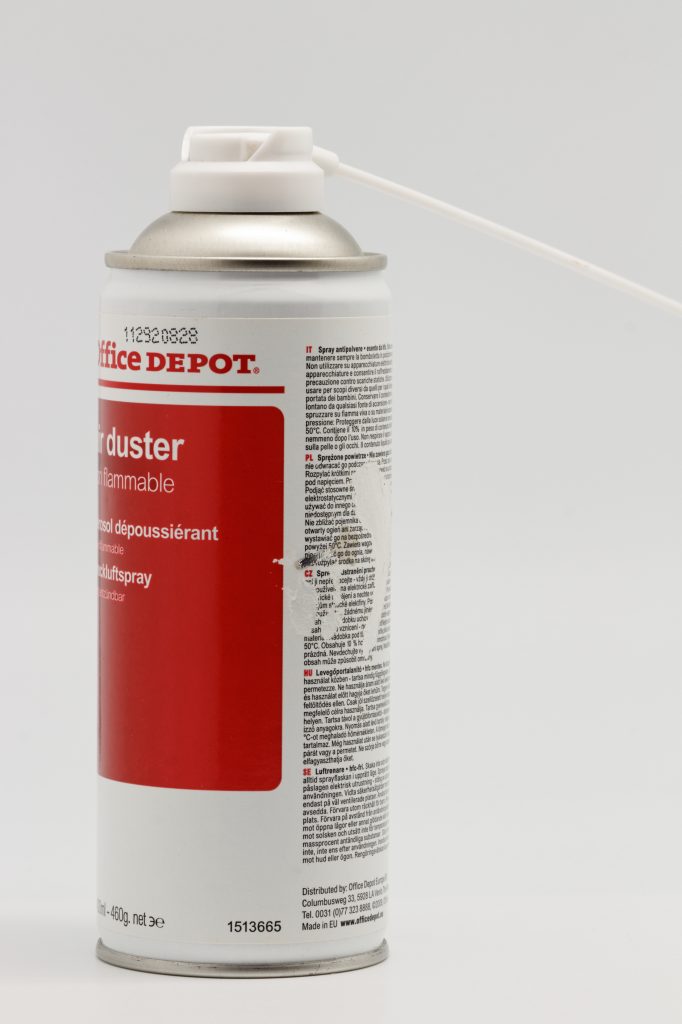

Hook: canned air is the “$8 problem” we keep re-buying—electric air dusters are the one-time fix
The desk‑cleaning clips are everywhere: keyboards getting blasted clean, PC fans spinning up, and that little red straw doing heroic work. But the trend has a boring, practical endpoint: electric air dusters (rechargeable or plug‑in) are on track to replace canned air for a lot of people in 2026—because they’re cheaper over time, less annoying to store, and actually strong enough now to be useful.
CTA: If you’ve bought more than a couple cans of “compressed air” in the last year, it’s time to do the maths and consider switching.
TL;DR
- Prediction: Electric air dusters become the default for desk setups in 2026 (home offices + gaming rigs + creator workstations).
- Why now: Better motors/batteries, more accessories, and people are tired of re-buying cans.
- Big caveat: They won’t fully replace canned air for every scenario (tight spaces, travel kits, ultra-light use).
Who this is for (and who should skip)
This switch is for you if you:
- Have a keyboard + mouse + laptop stand setup that collects dust daily.
- Own a desktop PC, console area, or monitor arms and hate cleaning the crevices.
- Work around pets (fur + dander is relentless).
- Do any content creation (cameras, lenses, gear shelves) and want “quick reset” cleaning.
Skip (or stay with canned air) if you:
- Only dust electronics once every few months.
- Need a tiny, travel-friendly option (electric units are bulkier).
- Want the absolute smallest nozzle for micro-gaps (some cans + straw still win there).
Pros & Cons
Pros
- Cost over time: you stop buying cans.
- Consistency: no “half-empty can that suddenly goes weak.”
- Less waste: fewer disposable cans.
- More control: multiple tips/brushes, sometimes variable speed.
Cons
- Upfront cost: higher than one can, cheaper than a year of cans for many people.
- Noise: good ones are loud (it’s basically a tiny jet).
- Battery reality: rechargeable units degrade eventually; plug‑in units tie you to an outlet.
What we looked at (the traits that separate the good from the gimmicky)
- Airflow strength: can it actually move dust out of a keyboard, not just rearrange it?
- Attachments: narrow nozzle, brush head, and a wider “sweep” tip matter.
- Power type: rechargeable vs plug‑in (each has tradeoffs).
- Ergonomics: trigger comfort, weight, and whether it’s usable one‑handed.
- Safety: sensible temp management + materials; clear instructions for electronics cleaning.
Why electric air dusters are trending harder in 2026
Three forces are lining up:
- Desk setup culture went mainstream. People now treat their workspace like a “room” that gets styled, upgraded, and maintained.
- Home electronics got more delicate (and more expensive). Multiple monitors, mechanical keyboards, microphones, and PCs = more surfaces that attract dust.
- Canned air is misunderstood. It’s usually not “air” at all—many products use other compressed gases (see source). People are increasingly wary of storing multiple cans and dealing with disposal.
Quick checklist: cleaning your desk setup without doing something dumb
- Power down and unplug anything you’re blasting (PC, consoles, monitors where practical).
- Hold fans still when cleaning PCs (don’t let airflow free-spin them).
- Short bursts, not a full minute in one spot.
- Use a brush + airflow combo for keyboards (air alone can wedge crumbs deeper).
- Finish with a microfiber cloth for the desk surface and monitor frame.
Internal links (keep the setup clean)
- Desk Setup (more upgrades and maintenance staples)
- Best TikTok Organization Finds (2026) (desk organisation that actually helps)
- Amazon Finds (popular gear that’s often worth cross-checking)
Sources
- Wikipedia: Gas duster (“canned air”) overview
FTC disclosure
If you buy through links on this site, we may earn a commission at no extra cost to you. We only recommend products we believe are genuinely worth it.